Buyer Representation in Hot Springs: Your Guide

Buying in Hot Springs should feel exciting, not confusing. Yet many buyers hesitate when a broker asks them to sign a buyer representation agreement or when the talk turns to who pays whom at closing. If you want a smooth path from first tour to final walk-through, a clear plan for representation and compensation is essential. In this guide, you’ll learn what you sign, how fees are handled, and how a local advocate helps you win the right home in Hot Springs and Garland County. Let’s dive in.
A buyer representation agreement outlines how you and your agent will work together. It names the parties, the property types you are targeting, and the areas you plan to search, such as Hot Springs city limits, Lake Hamilton, Lake Catherine, or historic districts. It also sets a start and end date so expectations are clear.
The agreement will state how long it lasts and whether it is exclusive. Exclusivity means you agree to work with one brokerage during the term so you receive full advocacy and priority service. You can negotiate the time frame and scope to fit your comfort level.
Your agent owes you fiduciary duties like loyalty, confidentiality, disclosure, and reasonable care. Expect help with your search, preparing offers, negotiating terms, coordinating inspections, and managing the path to closing. A strong agreement puts those commitments in writing so you know what to expect.
You agree to cooperate in good faith, share a pre-approval or proof of funds, and make timely decisions. If you choose an exclusive agreement, you agree to route property inquiries and showings through your broker. Clear communication keeps your timeline on track.
The agreement describes how your broker is compensated, whether through an offer of cooperating compensation in the MLS, through seller-paid proceeds at closing, or by you if no cooperating fee is offered. Many agreements include a protection or “tail” clause that applies if you purchase a property your broker introduced after the agreement ends. Review this section carefully and ask questions before you sign.
If a brokerage represents both the seller and the buyer in the same transaction, state law requires disclosure and your signed consent. Review your brokerage’s policy and ask how your interests will be protected. For state guidance, see the Arkansas Real Estate Commission.
Most agreements explain how either party can end the relationship and how disputes are handled, often through mediation or arbitration. If you have concerns, request plain-language changes. You can also ask an attorney to review the document before signing.
FSBOs, auctions, short sales, and new construction can have different compensation rules. Your agreement can spell out how fees will work in these cases. Put exceptions and any custom terms in writing.
In many transactions the seller pays the listing broker, who then pays a cooperating fee to the buyer’s broker. This is often advertised in the MLS and settled at closing from the seller’s proceeds. Title or escrow handles disbursement on the Closing Disclosure.
Listing brokers typically publish a cooperating amount or percentage in the MLS. When your broker brings a ready, willing, and able buyer and you close, that offer governs how your broker is paid. Your buyer agreement will reference how this works.
On closing day, the title or settlement company pays commissions from the seller’s proceeds according to the listing agreement and sales contract. You will see the commission allocation on the final settlement statement. Payment timing is usually on the day of closing or shortly after.
If a listing, builder, or FSBO does not offer cooperating compensation, your agreement should state how your broker will be paid. That might be a flat fee or percentage paid by you, sometimes offset by a negotiated credit from the seller. Ask your agent to explain how fees would work in each scenario you might pursue.
Seller credits can reduce your cash needed at closing, but they do not usually change broker compensation unless negotiated otherwise. Some brokerages may offer buyer rebates or credits where allowed. Policies vary by brokerage and state, so ask your agent what is possible under Arkansas rules.
Commission disputes after closing are uncommon but can happen if there are conflicting agreements or unclear protection clauses. Your buyer agreement’s dispute resolution steps will guide next actions. Keep your paperwork organized and ask for written clarifications when needed.
Hot Springs combines historic homes, lakefront escapes, new subdivisions, and in-town condos. Inventory and demand can shift with the seasons, especially around the lakes. A local plan helps you act quickly when the right home appears.
Many pre-1978 homes may involve older systems and finishes. Plan for specialized inspections and potential updates to HVAC, electrical, insulation, or windows. For paint safety in older properties, review EPA guidance on lead-based paint.
Some parcels around Lake Hamilton, Lake Catherine, and low-lying areas fall within FEMA flood zones. Check current maps through the FEMA Flood Map Service Center and discuss elevation certificates and flood insurance with your lender and insurer. Shoreline rules can also affect docks and improvements.
Parts of Garland County use septic systems while others tie into city sewer. Septic inspections are important for function and compliance. Factor in maintenance and replacement costs when comparing properties.
Zoning and historic-district rules can influence renovations, short-term rental use, and exterior changes. Verify requirements with City of Hot Springs Planning & Development. If a property is in an HOA, review covenants and fees early.
Carrying costs include property taxes and assessments. Confirm details through the Garland County Assessor and your title company. For rural parcels, ask your title officer to review any easements or reserved mineral rights.
Spring through early fall often brings more showings and second-home buyers near the lakes. If you are ready to act, keep your pre-approval current and your schedule flexible. Quick, clean offers stand out in competitive moments.
A local buyer specialist helps you move from browsing to closing with fewer surprises. Expect clear market education, a search strategy matched to your goals, and strong offer guidance. You should also get coordination across lenders, inspectors, and title so timelines stay on track.
As an example, 501 House to Home is a local, full-service team focused on Hot Springs and the Garland County lakes. Jeff leads sales advising and negotiation while Paulia manages marketing and systems, creating a predictable process from first consult to closing. The team’s approach is relationship-first and detail-driven so you are supported at every step.
When you understand your agreement, know how compensation works, and rely on a local advocate, buying in Hot Springs becomes more focused and less stressful. If you want a clear plan tailored to lakefront, in-town, or historic options, connect with a team that knows the terrain and communicates every step.
Ready to move from research to results? Start with a simple consult and sample buyer agreement review with Jeff Kennedy.

Market Insight

Market Insight

Real Estate
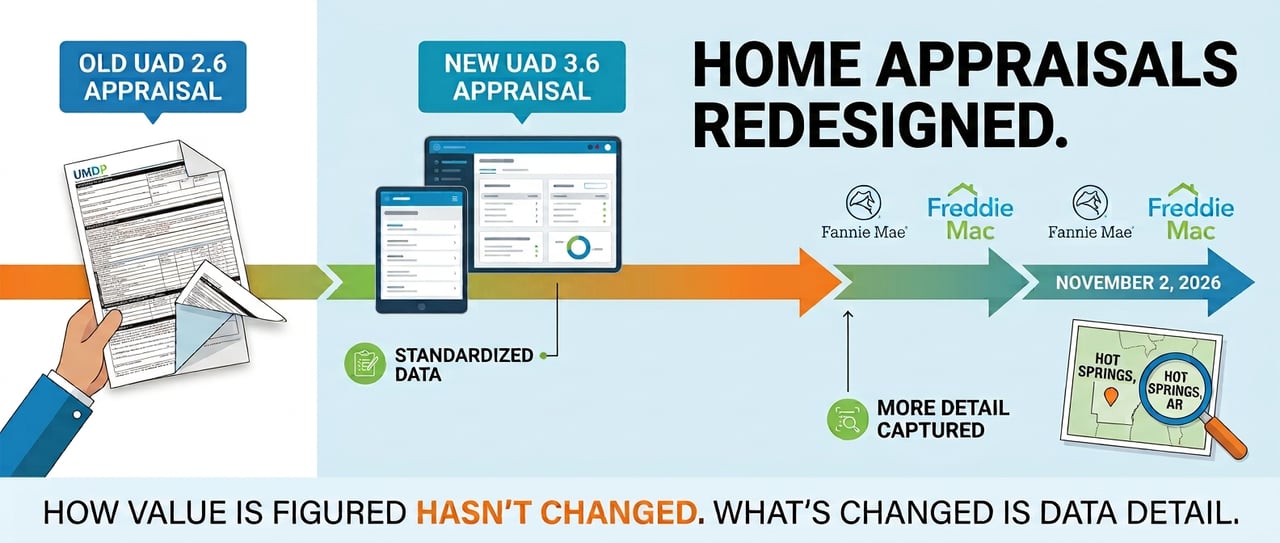
New Rules Take Effect Nov 2, 2026


When you work with Jeff Kennedy and his team, you benefit from professionals who understand your needs and will work their absolute hardest to ensure excellent results for you and your family. Give Jeff a call today and discover the difference he can make for you!