Leave a Message

Thank you for your message. We will be in touch with you shortly.

Buying In Downtown Hot Springs: Lofts, Bungalows And Beyond

Buying In Downtown Hot Springs: Lofts, Bungalows And Beyond

Looking for a place where you can grab coffee on Central Avenue, stroll Bathhouse Row, then be home in minutes? Downtown Hot Springs gives you that walkable, resort-town rhythm with a mix of lofts, historic bungalows, and adaptive-reuse condos. If you love character, convenience, and a sense of history, this area can be a great fit. In this guide, you’ll learn where different home types cluster, what to check on older properties, and how to weigh lifestyle details like parking, tourism, and weekend noise. Let’s dive in.

Where you’ll find lofts and bungalows

Central Avenue lofts and mixed-use buildings

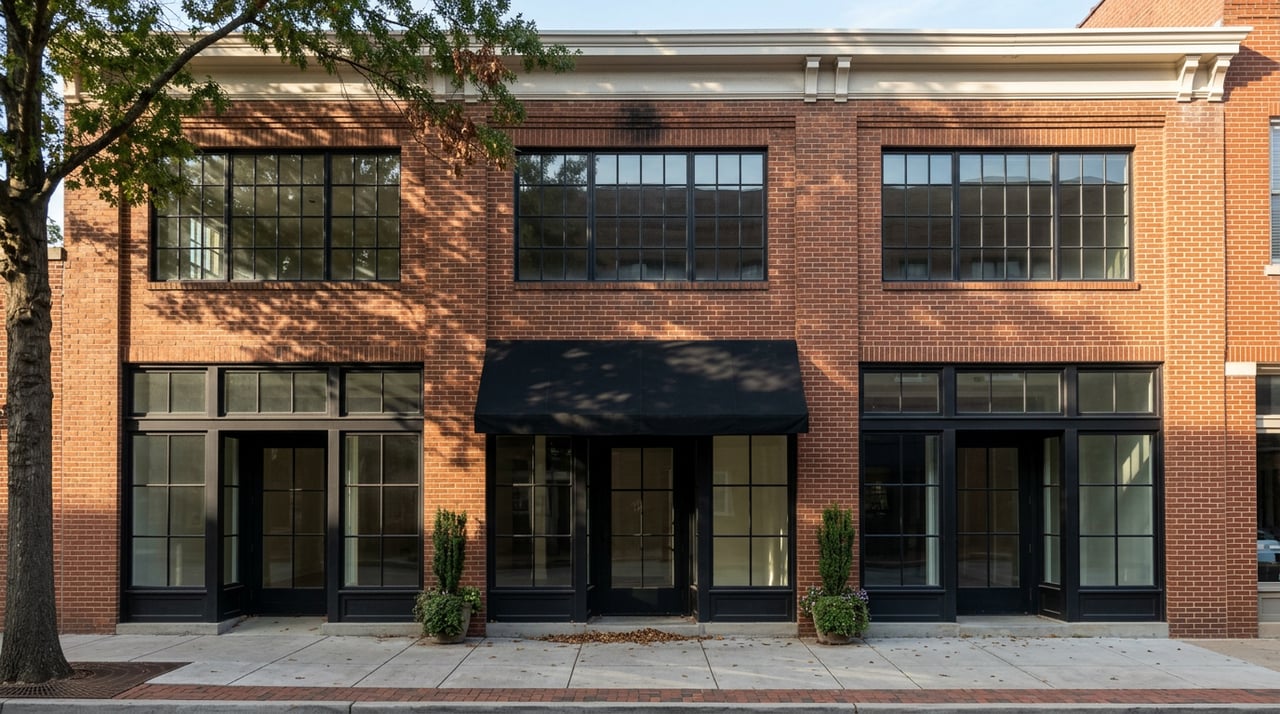
If you picture exposed brick, big windows, and being steps from restaurants, you are thinking of Central Avenue. The downtown strip is lined with historic commercial buildings, many with upper-floor apartments and short-term rentals. You can expect true walkable access to Bathhouse Row and the National Park promenade from this core stretch of downtown, as described on the National Park’s visitor pages about getting around the area. You can explore that overview on the National Park Service’s guide to getting around downtown Hot Springs: walk, park, and transit information for the downtown core.

Many lofts sit right above nightlife. For example, the Ohio Club loft is marketed above a music venue and calls out late-night sound as a factor. You can see how the space is framed for visitors on the Ohio Club loft listing page. If you want energy and convenience, this location delivers. If you need quiet, you will want to vet the building and block at different times of day.

Quapaw–Prospect Historic District bungalows and classics

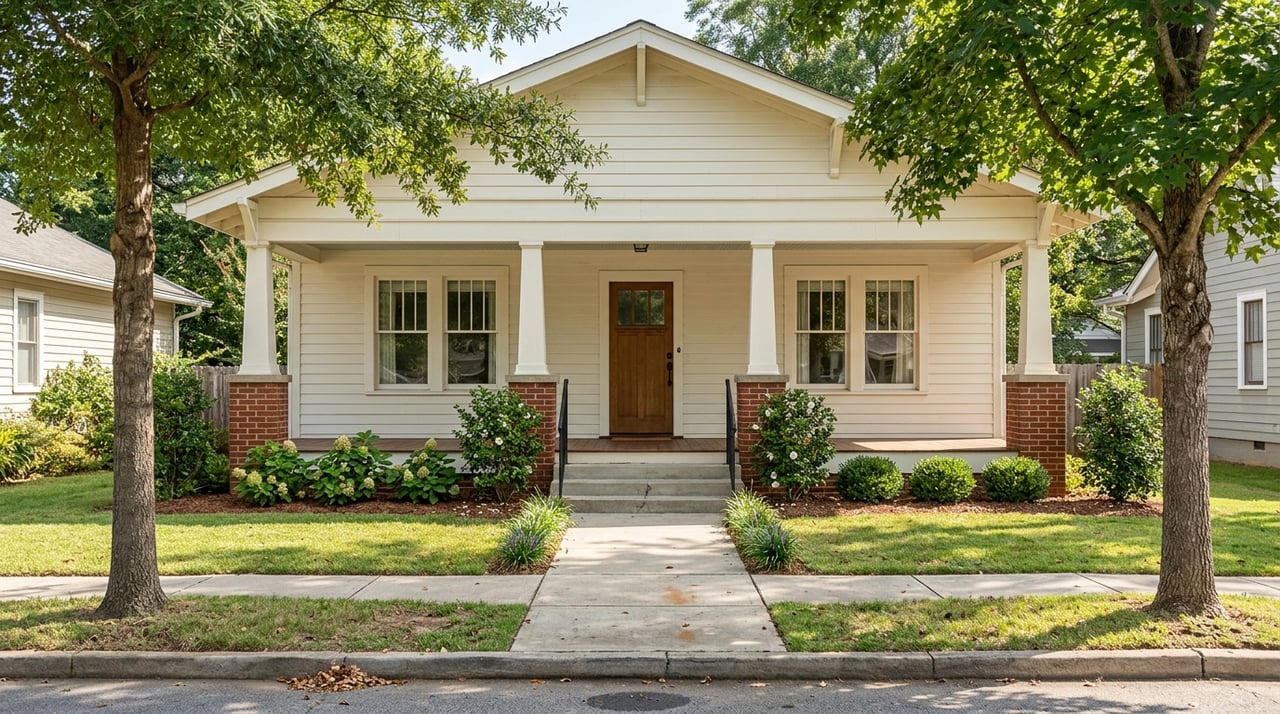
Just northwest of Central Avenue, the Quapaw–Prospect Historic District offers tree-lined streets and architecture from roughly 1890 through 1950. You will see Queen Anne and Colonial Revival homes along with Craftsman bungalows. Many houses are contributing properties to the National Register district. Learn more about the area’s architectural mix on the Quapaw–Prospect Historic District overview.

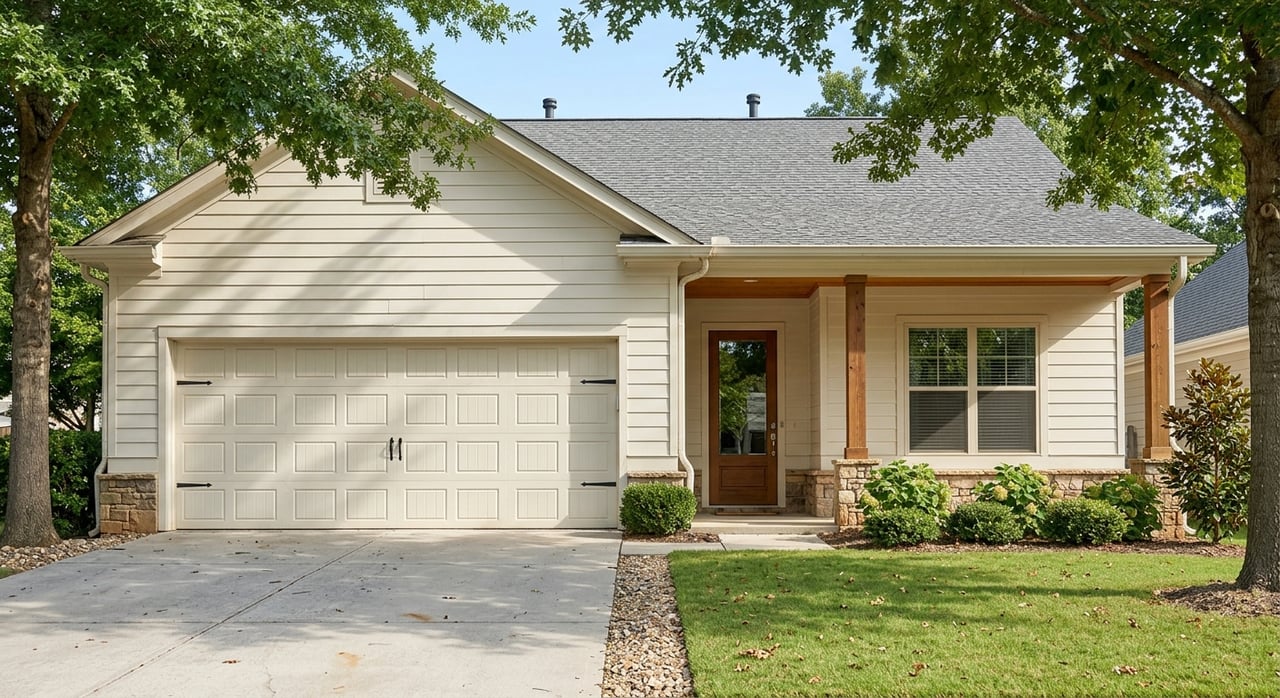
If you want a porch, yard, and more residential feel while staying close to downtown, this is a strong option. You still get quick access to Central Avenue and Bathhouse Row without living immediately above the action.

Pleasant Street Historic District character

Another nearby neighborhood with strong identity is the Pleasant Street Historic District. It is a locally significant residential area with ongoing preservation work and a distinct historic context. You can review survey and planning materials on the Pleasant Street Historic Resources Survey page. If you value heritage and a quieter street grid, Pleasant Street deserves a look alongside Quapaw–Prospect.

What to research on older and historic homes

Buying a pre-1950 house comes with different due diligence. Build these checks into your timeline and budget.

Structure, systems, and moisture

  • Foundation and structure. Look for signs of settling or movement. If you see major cracks or uneven floors, plan for a structural engineer review.
  • Roof, drainage, and exterior envelope. Historic houses often need roof and gutter upgrades to keep water out. Moisture is a common source of costly repairs.
  • Electrical and plumbing. Be ready for older wiring or plumbing that may require updates. Full rewires or repipes can be large projects.
  • HVAC and insulation. Many homes were retrofitted for modern systems. Verify equipment age, ductwork condition, and consider energy improvements.

For a simple overview of inspection priorities, review this home inspection checklist.

Health considerations in pre-1978 structures

  • Lead-based paint. Federal rules apply to pre-1978 homes. Ask for lead disclosures, consider testing, and use lead-safe practices for any renovation. Read more in the EPA’s summary of lead-paint safety actions and guidance.
  • Asbestos and historic materials. Some older insulation or finishes may contain asbestos. Before disturbing suspect materials, plan for professional sampling and proper handling.
  • Moisture and pests. Document any prior water issues and request a termite report. A dry, well-ventilated crawlspace and clear drainage are key.

Historic district rules and incentives

Many exterior changes in locally designated historic districts require review. Hot Springs participates as a Certified Local Government, which typically means a Certificate of Appropriateness process for visible exterior work. Build review time into your plan and coordinate early with city staff. You can learn how CLG programs work in Arkansas on the state’s Certified Local Government guidance page.

If you are considering an income-producing rehab, such as upper-floor apartments or a small mixed-use project, you may be eligible for the federal Historic Tax Credit. The 20 percent credit applies to certified rehabilitations of income-producing properties that follow the Secretary of the Interior’s Standards. It does not apply to owner-occupied single-family homes. See an overview of federal Historic Tax Credits, and consult your tax advisor on specifics.

Daily life: walkability, parking, and transit

Walkability and errands

Downtown Hot Springs is the city’s most walkable area. From Central Avenue, you can reach Bathhouse Row, the Promenade, and dozens of dining and retail options on foot. The broader metro is largely car-oriented, so this pocket of walkability is a major draw if you want to be out on foot for everyday fun.

Parking and permits

Downtown uses metered street parking near the National Park visitor center and the Exchange Street parking garage one block west. The city has updated its paid parking program in recent years, with changes through 2024 to 2026. Before you buy, confirm current meter rates, garage pricing, and any residential or employee permits with the City of Hot Springs. The National Park’s page on getting around and parking near Bathhouse Row is a good starting point.

Transit

Intracity Transit buses and the Hot Springs Trolley offer limited service. You can expect to rely less on a car for downtown entertainment and errands, but you will likely want a vehicle for regional trips and grocery runs.

Tourism, events, and weekend rhythms

Hot Springs is a year-round destination with concentrated visitor activity along Central Avenue. One widely reported metric notes that the area attracted about 2.6 million visitors in 2022. You can find context in this Hot Springs National Park feature.

Expect weekend and festival spikes, especially during Oaklawn’s racing season in late winter and early spring, and during the Hot Springs Documentary Film Festival each fall. If you are considering a Central Avenue loft, visit on a busy weekend to test noise, parking demand, and building acoustics. Many loft listings are upfront that live music can run late into the night.

Downtown vs nearby districts

  • Central Avenue core. Best for a walk-first lifestyle with immediate access to Bathhouse Row and dining. Expect more nightlife, visitor traffic, and evolving parking rules.
  • Quapaw–Prospect. Historic houses with porches, larger lots, and a more residential feel near downtown. Review the district background and architecture to align style with your priorities.
  • Pleasant Street. Residential blocks with a strong historic identity and ongoing preservation efforts. See the Pleasant Street survey overview to understand the area’s character.
  • Lakes areas. Lake Hamilton and nearby lake communities offer more suburban or resort-style living with private outdoor recreation, but less walkability. Consider these if boating and space top your list.

Buyer checklist for downtown Hot Springs

Use this short list to shop confidently and budget wisely.

  • Visit at different times. Tour your target block on a weekday, a Friday night, and a Saturday afternoon. Note foot traffic, nightlife, and parking.
  • Order a thorough inspection. Choose an inspector with historic-home experience, and plan for add-on tests if the house predates 1978. Review this inspection checklist to prep.
  • Confirm parking details. If buying a loft or condo, review HOA rules and any recorded parking easements. Check current meter and garage rules with the city. Start with the NPS downtown parking guidance.
  • Check historic rules early. If the property is in a local historic district, ask about Certificates of Appropriateness and review timelines on the state’s CLG program page.
  • Explore incentives if income-producing. For mixed-use or rental rehabs, learn about Historic Tax Credits and consult design professionals familiar with code upgrades.
  • Verify flood risk. Some lower-lying corridors near creeks can be in mapped flood zones. Use FEMA’s Flood Map Service Center early in your search.
  • Pull property records. Check taxes, parcel history, and recorded documents through Garland County property records.

Handy local resources

Ready to explore lofts, historic bungalows, or a condo near Bathhouse Row? Our team knows these blocks, the preservation process, and how to match lifestyle goals with the right property. If you want straightforward advice, neighborhood context, and a smooth path from offer to close, reach out to Jeff Kennedy to start your downtown Hot Springs search.
FAQs

What is downtown Hot Springs living like near Bathhouse Row?

  • Expect a walk-first lifestyle with easy access to dining, shops, and the National Park promenade, plus weekend visitor spikes and active nightlife along Central Avenue.

Are Central Avenue lofts noisy at night?

  • Many lofts sit above bars or music venues; some listings note live music late into the evening, as seen with the Ohio Club loft example, so test noise before you buy.

What should I inspect on a historic bungalow in Quapaw–Prospect?

  • Prioritize structure, moisture control, roof and drainage, electrical and plumbing age, and HVAC; consider add-on tests for lead and other historic materials if the home predates 1978.

Do I need approval to change the exterior in a historic district?

  • Many exterior changes require a Certificate of Appropriateness; coordinate early with the city’s preservation staff and review the state’s CLG guidance.

Can I use Historic Tax Credits on a downtown single-family home I will live in?

  • Federal Historic Tax Credits typically apply to income-producing properties and not to owner-occupied single-family homes; see the program overview and consult a tax advisor.

How does parking work for downtown residents?

  • Downtown uses metered streets and a public garage near the visitor center; rules and rates have changed in recent years, so confirm current details with the City of Hot Springs and review the NPS parking overview.

Work With Jeff

When you work with Jeff Kennedy and his team, you benefit from professionals who understand your needs and will work their absolute hardest to ensure excellent results for you and your family. Give Jeff a call today and discover the difference he can make for you!

Follow Us on Instagram