East Side Hot Springs Relocation: What to Know
Thinking about a move to the east side of Hot Springs? This part of town can feel very different from one street to the next, which is exactly why many relocators have questions before they commit. If you want a clearer picture of housing, commute options, lifestyle, and what day-to-day living may actually look like, you are in the right place. Let’s dive in.
When people talk about the east side of Hot Springs, they are usually talking about the East District identified by the local tourism bureau. That area includes the east sides of Malvern Avenue (270B) and East Grand Avenue, then continues east to the city limits, according to the East District map and overview.
For relocation purposes, it helps to think of the east side as more of a corridor-based area than one single neighborhood. Major roads and access points shape how the area feels, so your experience can vary quite a bit depending on the exact street and how close you are to the routes you use most often.
The city of Hot Springs itself had an estimated 37,971 residents and 18,433 households as of July 1, 2025, based on U.S. Census QuickFacts. The same source reports a 57.0% owner-occupied housing rate, a median owner-occupied home value of $165,500, a median gross rent of $914, and a mean travel time to work of 16.9 minutes.
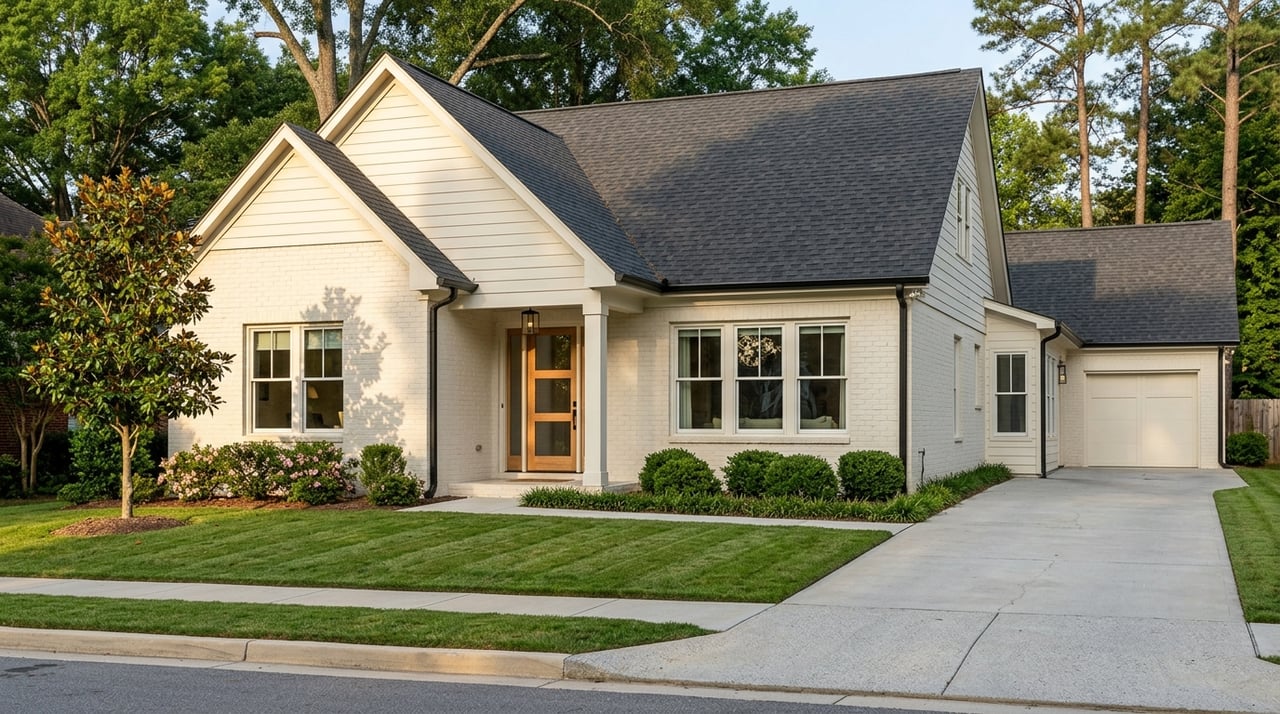
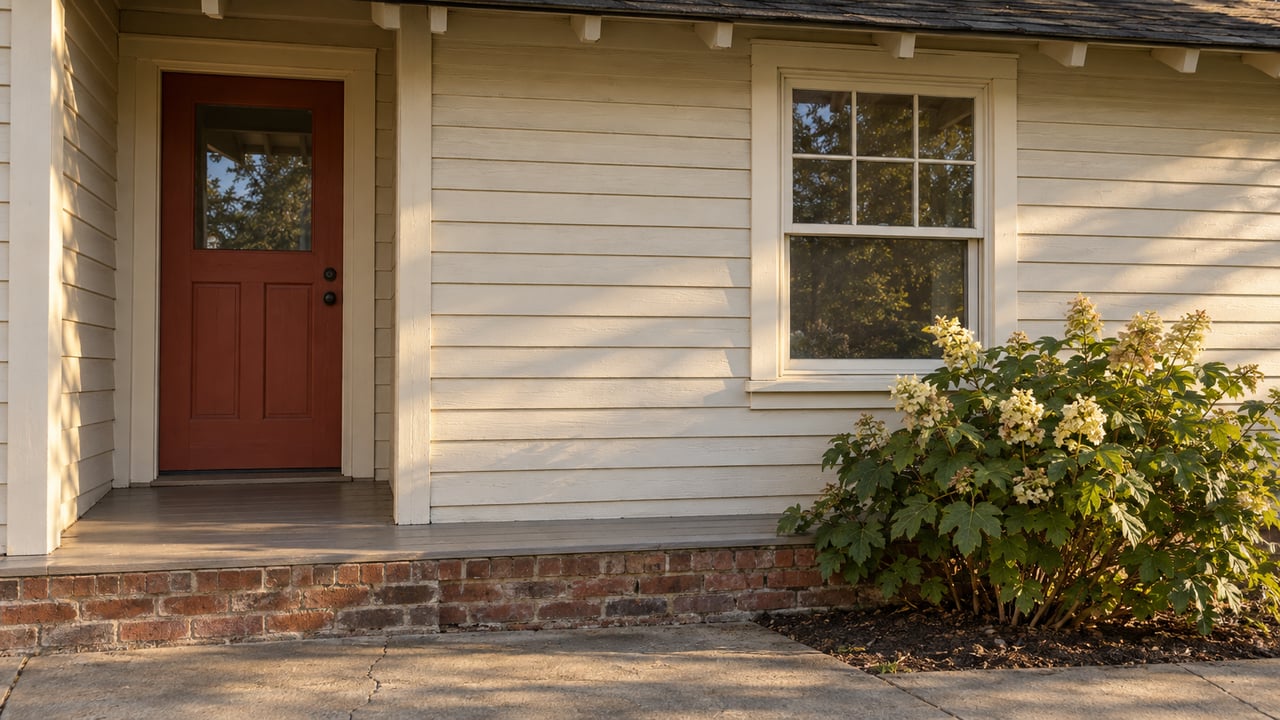
If you are picturing the east side as all historic homes, that may not match what you find once you start touring properties. Hot Springs' Heritage and Historic Preservation Plan shows that among historic properties at least 50 years old, only about 20% were built before 1939, while roughly 75% to 80% of existing historic buildings were constructed after World War II.
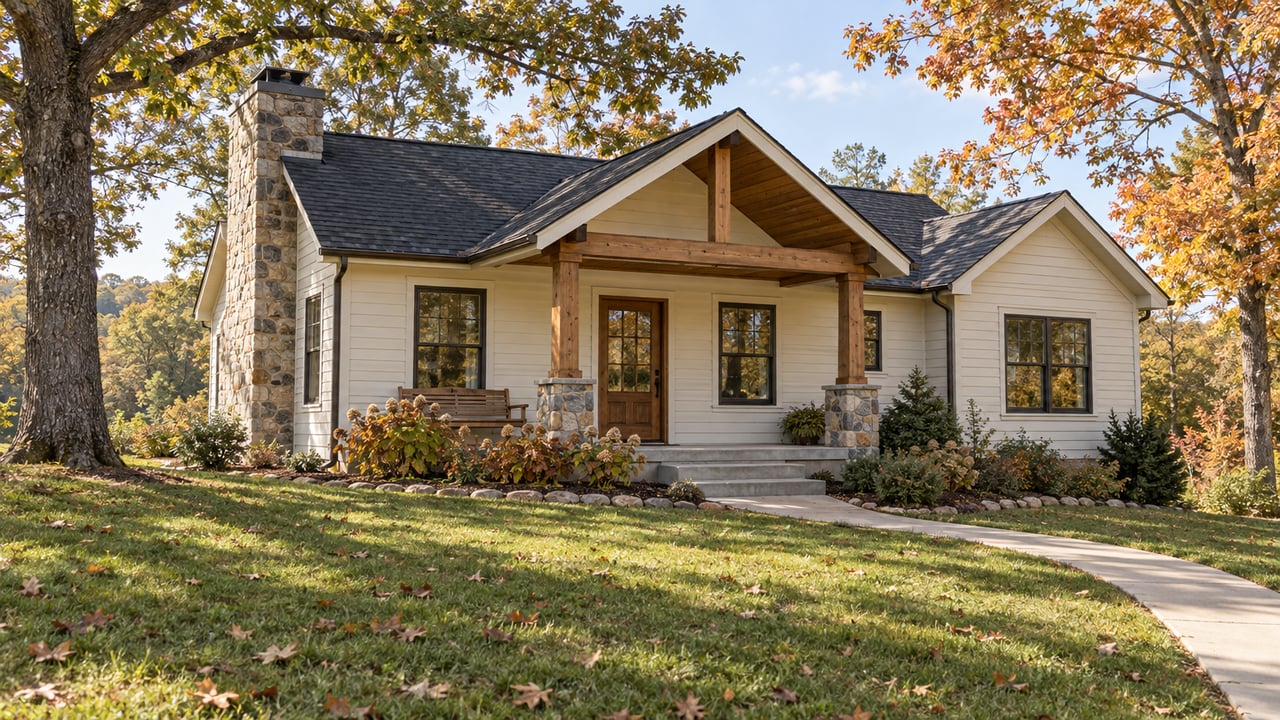
That matters because it helps explain why the east side often reads more like a postwar and mid-century market than a purely prewar one. The same city plan notes that Ranch homes are found throughout Hot Springs and are concentrated in the city’s far western, southern, and eastern neighborhoods. You may also come across homes that reflect that mid-century pattern in a very practical way.
One of the biggest surprises for out-of-town buyers is how much the east side can change from one pocket to another. Since the area is defined by road corridors and district boundaries rather than a single subdivision, the exact address matters more than the broad label.
That is especially true when you are comparing things like traffic flow, drive times, and access to amenities. A home that looks close on a map may feel very different in daily use depending on whether you are relying on Malvern Avenue, East Grand Avenue, Highway 70, or another route.
For many relocators, the east side stands out because of its connection to Little Rock via Highway 70. The East District is described as a gateway into Hot Springs, with a wooded, mountainous approach into town from the east, according to the district overview.
If you expect to travel toward Little Rock regularly, that connection can be a real advantage. Directions for the Hot Springs Country Club route Little Rock drivers west on I-30 and then Highway 70 West into Hot Springs, and Rome2Rio estimates the trip between Hot Springs and Little Rock at 52.8 miles and about 1 hour 2 minutes by car.
Road improvements may also influence how traffic moves through this side of town. In 2023, ARDOT announced the completion of a 5.8-mile Scenic Hot Springs Bypass extension connecting Highway 70 East to Highway 7 North, noting that the project was designed to reduce delays and improve safety by removing through traffic from Highway 7.
If you use transit, it is important to know that Hot Springs' bus system is intracity only. The city states on its bus routes page that all routes begin and end at Transportation Plaza in downtown Hot Springs.
That setup makes route planning especially important if you are looking at homes on the east side. The same city page also notes that ARDOT maintains key corridors including Airport Road, Carpenter Dam Road, Central Avenue, Grand Avenue, Malvern Avenue, and Park Avenue.
The practical takeaway is simple: test the route you would actually use. If you are relocating for work, retirement, or a lifestyle change, it is smart to compare homes based on drive route, daily destinations, and street-level access, not just the phrase “east side.”
The east side offers a mix of in-town convenience and recreation-oriented destinations. If you want access to activities without feeling cut off from the rest of Hot Springs, this area gives you several strong anchors.
The East District guide includes Magic Springs Theme & Water Park and Hot Springs Off-Road Park. The off-road park spans 1,254 wooded acres and is open seven days a week, which gives outdoor-minded buyers a clear sense of the area’s recreational appeal.
For buyers who enjoy golf and tennis, the Hot Springs Country Club is one of the most recognizable east-side amenities. The club offers 36 holes of golf, a full-service clubhouse, golf and tennis pro shops, and lighted indoor and outdoor tennis courts.
If your ideal move includes more walkable outdoor options, Hot Springs also offers city recreation that can support an active routine. The city’s parks page describes the Hot Springs Creek Greenway Trail as a 3.8-mile multi-use asphalt trail linking downtown Hot Springs to Television Hill Road.
The trail connects to local destinations such as the farmers market, Hollywood Park, and Hot Springs Bark Park. The city also notes that future trail features include a kayak and canoe launch into Lake Hamilton, which may matter if water access is part of your long-term lifestyle goals.
If you are moving from out of town, online research can help you narrow options quickly. According to U.S. Census QuickFacts, 85.0% of households in Hot Springs have a broadband subscription, which is a helpful citywide signal for remote professionals and connected households.
Still, citywide data is only the starting point. If you work from home or need reliable service for streaming, meetings, or smart-home systems, you should verify provider options at the specific address before making a decision.
Another useful tool for relocation planning is the city’s GIS capability. The Heritage and Historic Preservation Plan notes that Hot Springs maintains a public GIS viewer portal, with layers that can map streets, parks, parcels, sidewalks, rights-of-way, and flood-prone areas.
If you are buying from another city or state, start by comparing homes in a very practical way. Rather than searching only by a broad area label, build your shortlist around the details that shape everyday life.
A simple search workflow can include:
This kind of search is often more useful on the east side because the area is defined by corridors and connections, not one uniform neighborhood identity. For relocators, that extra step can save time and help you focus on homes that fit the way you actually plan to live.
If you relocate to the east side of Hot Springs, expect a part of town shaped by major road access, postwar and mid-century housing patterns, and recreation-oriented amenities. You may find that one pocket feels more residential and tucked away, while another feels more connected to everyday errands or travel routes.
You should also expect the east side to reward careful, address-specific research. The better you understand the exact street, home style, commute path, and nearby amenities, the easier it becomes to choose a home that supports your lifestyle from day one.
If you want local guidance as you compare streets, housing styles, and everyday convenience on the east side of Hot Springs, Jeff Kennedy can help you make a confident move with practical insight and personalized support.

Market Insight

Market Insight
Real Estate
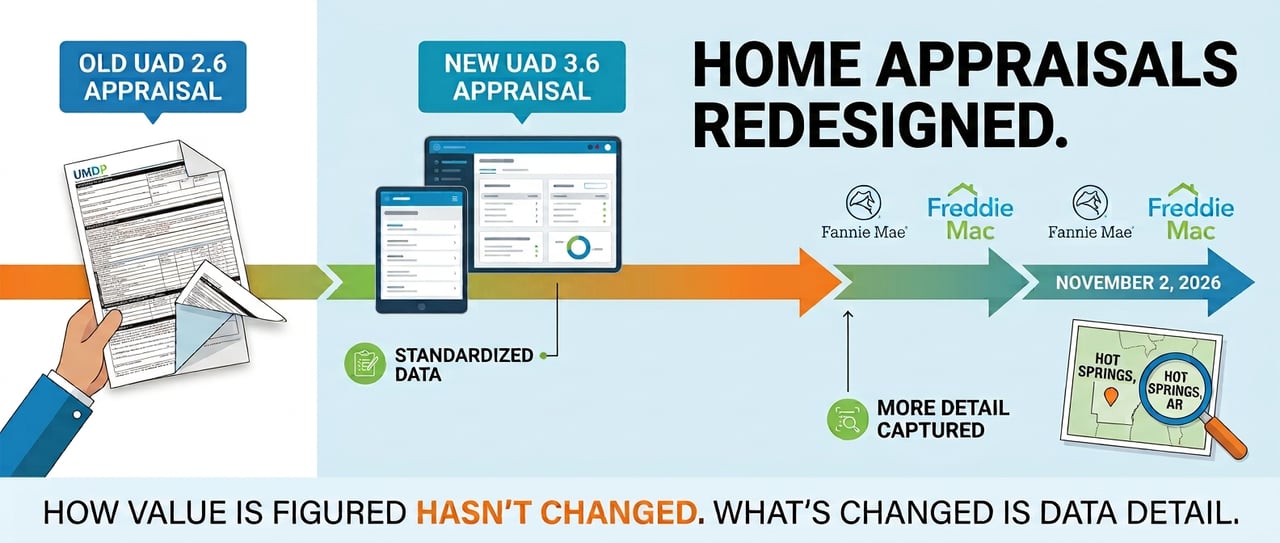
New Rules Take Effect Nov 2, 2026
When you work with Jeff Kennedy and his team, you benefit from professionals who understand your needs and will work their absolute hardest to ensure excellent results for you and your family. Give Jeff a call today and discover the difference he can make for you!