Central District Real Estate: What Buyers Should Expect Today
Wondering what it really takes to buy in Hot Springs’ Central District right now? If you are drawn to downtown charm, historic character, and a location close to Central Avenue and Bathhouse Row, this market can feel exciting and a little hard to read at first. The good news is that today’s conditions give you room to be thoughtful, compare options, and make a smart plan before you write an offer. Let’s dive in.
In Hot Springs, the Central District is best understood as the downtown core around Central Avenue, Bathhouse Row, and the nearby historic blocks. This area includes the traditional commercial center and a collection of historic buildings that date from the late 1800s into the early 1900s.
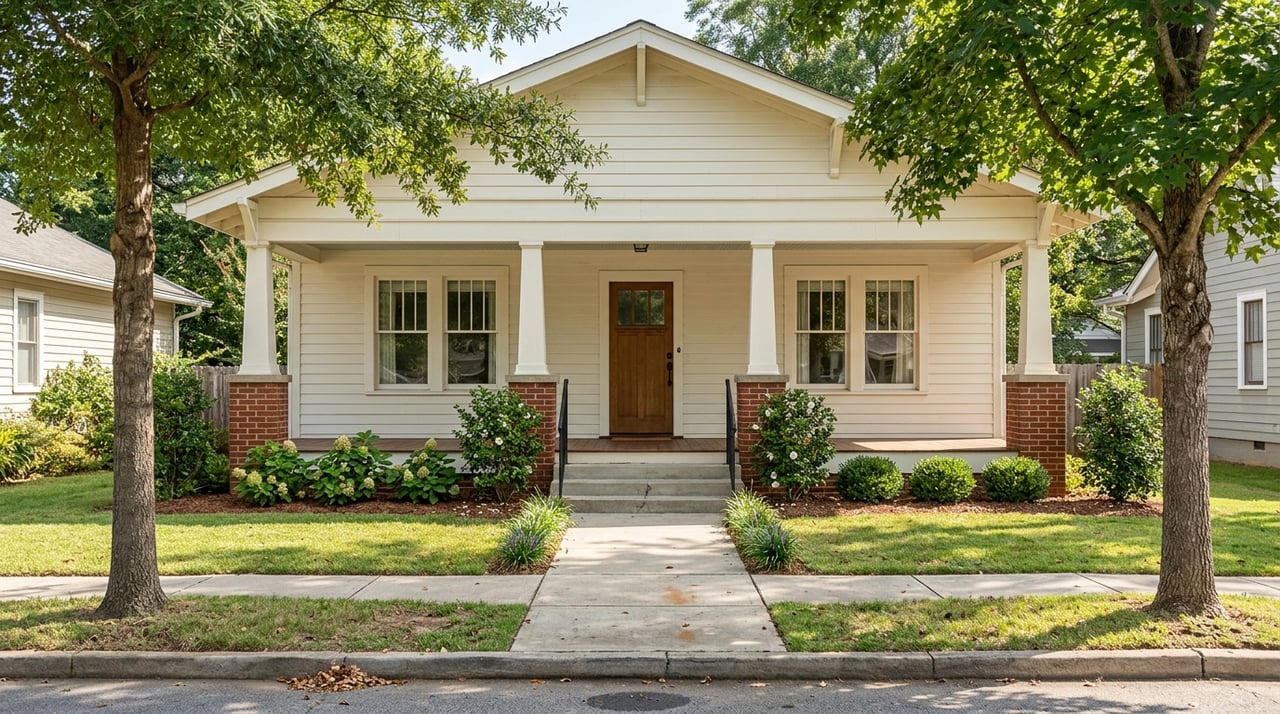
For you as a buyer, that means the Central District feels different from a newer subdivision. Instead of uniform streets and similar floor plans, you can expect older homes, mixed-use buildings, walkable streets, and a stronger sense of history and place.
Bathhouse Row is one of the area’s biggest location draws. You are close to thermal water fountains, open springs, downtown access points, and the park trail system, along with downtown parking and transit concentrated in the core.
The broader Hot Springs market is not highly competitive right now. Over the last three months, the citywide median sale price was $219,000, homes took about 86 days to sell on average, and closed at roughly 95.6% of list price.
Downtown Hot Springs trends a little differently, but the overall tone is similar. Current data shows a median listing price of about $185,000 in Downtown Hot Springs, with roughly 52 active homes and average days on market near 89. Another market snapshot shows a median sale price around $199,000 and about 47 homes for sale.
That tells you two important things. First, the downtown core is active. Second, inventory is still limited enough that the right property may not sit around forever, especially in the most central historic blocks.
The visible price range is also wide. Current listings include land under $20,000, smaller homes from about $65,000 to $115,000, many homes between roughly $150,000 and $400,000, and a smaller group of higher-end properties above $500,000.
The very center of the historic core is especially thin on available homes. Current listing counts for Central Historic District vary slightly by platform, but both show only one or two active listings.
In practical terms, you may find plenty of interest in the area but not many homes that match your exact wish list at the same time. If you want to be near Bathhouse Row or along the most established downtown streets, patience and flexibility matter.
Central District is not a one-style market. You may come across single-family homes, multifamily properties, land, townhouse-style options, and occasional mixed-use or investment-oriented properties.
That variety is part of the appeal. Rather than expecting rows of newer suburban houses, you should expect historic cottages, renovated older homes, attached product, and occasional larger legacy properties with unique layouts.
Architecture in the area is distinctly historic. The Central Avenue Historic District includes buildings shaped by late 19th-century and early 20th-century development, with many brick structures, ornamental details, and a denser, more character-driven feel than other parts of Hot Springs.
Lot sizes in Central District are usually urban in scale. Current downtown listings commonly show lots around 4,000 to 10,000 square feet, with some properties in the 0.23 to 0.46 acre range and the occasional larger parcel near 1 acre.
For you, that usually means adjusting expectations around yard size. A realistic wish list often focuses more on parking, usable outdoor space, and an efficient layout than on a large lawn.
If outdoor living matters to you, it helps to define what you actually need. A private patio, workable porch, or off-street parking area may add more day-to-day value than extra land that requires more upkeep.
If you are deciding between downtown and other parts of Hot Springs, the comparison is helpful. Downtown Hot Springs has roughly 50 active homes and a median listing price of $185,000, while Lake Hamilton has 121 active listings and a median listing price of $390,000, and Hot Springs Village has 353 active listings with a median listing price of $345,000.
That means Central District usually offers less inventory but a lower median listing price than those nearby areas. It is the most location-driven option of the three, with buyers often choosing it for walkability, proximity to Bathhouse Row, and the historic setting.
Lake Hamilton and Hot Springs Village generally offer more choices if you want more space or a broader range of property types. Central, by contrast, tends to work best if you value downtown access and character over sheer inventory and lot size.
One reason buyers stay interested in Central District is convenience. Downtown parking includes priority, secondary, and free zones, which supports day-to-day access in the core.
The city’s intracity bus service begins and ends at Transportation Plaza downtown. The Hot Springs Creek Greenway Trail also connects downtown destinations such as the farmers market, sculpture and butterfly gardens, and the Veteran’s Memorial.
For many buyers, that convenience changes the decision. If being able to reach downtown destinations easily is high on your list, Central offers a lifestyle that outperforms many peripheral areas.
The most successful buyers usually build a wish list around what this area actually offers. In Central District, that often means prioritizing location, historic character, manageable maintenance, and parking.
It also helps to be realistic about tradeoffs. You may not get a brand-new floor plan, a large yard, and a highly central location all at once.
A strong downtown wish list often includes:
If you are considering an older or centrally located property, verify whether it sits within a historic district. In Hot Springs, exterior changes in a historic district may require city review through the Historic District Commission and a certificate of appropriateness process.
This does not mean you should avoid these homes. It simply means you should understand the process early, especially if you are already thinking about exterior updates, additions, or visible design changes.
Today’s market gives buyers room to negotiate in many cases. Citywide, multiple offers are rare, the average home sells about 5% below list price, and homes typically go pending in around 77 days.
Downtown Hot Springs is similar. Homes there average about 6% below list price and spend about 86 days pending, which suggests that buyers often have time to evaluate condition, financing, and fit before moving forward.
That said, a good offer is not just about asking for the lowest price. In Central District, the strongest offers usually combine realistic pricing, clean financing, and terms that match the age and condition of the home.
A practical offer strategy may include:
If you are buying in Hot Springs’ Central District today, expect a market shaped by location and character more than volume. Inventory in the historic core is limited, home styles vary, and the best properties often appeal to buyers who value walkability, downtown access, and a sense of place.
You should also expect a market where thoughtful buyers can still negotiate, especially when they come prepared. With the right strategy, Central District can offer a distinctive buying opportunity that feels very different from the lake or village markets nearby.
If you want local guidance as you compare downtown Hot Springs with other Garland County options, Jeff Kennedy can help you sort through the tradeoffs and find the right fit for your goals.
When you work with Jeff Kennedy and his team, you benefit from professionals who understand your needs and will work their absolute hardest to ensure excellent results for you and your family. Give Jeff a call today and discover the difference he can make for you!