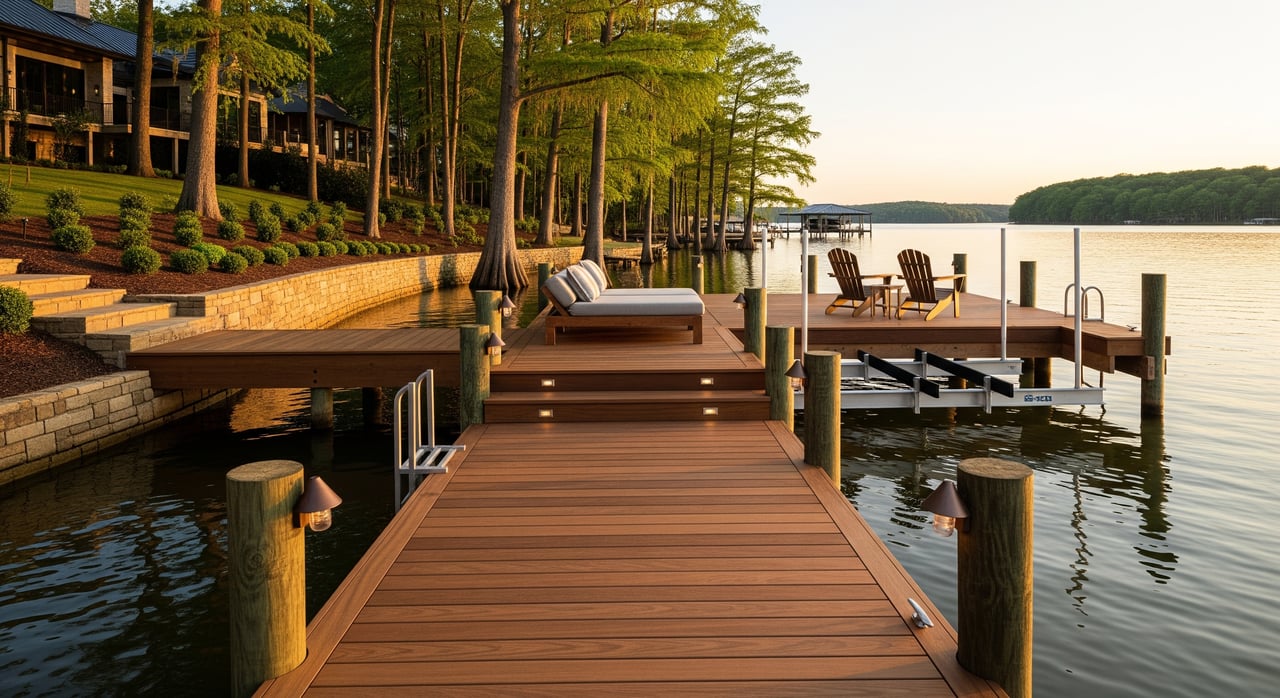
Dreaming of stepping from your back door onto a boat-ready dock on Lake Hamilton? If you are shopping for lakefront property in Hot Springs, the dock is a big part of the lifestyle and the value. The catch is that docks are regulated, and permits can affect your plans and timelines. This guide walks you through who regulates docks, how permits work, what to ask a seller, and how to write an offer that protects you. Let’s dive in.
Who regulates docks on Lake Hamilton
Several agencies and stakeholders can be involved in dock approvals and shoreline work.
- Entergy owns and operates the dams that created the lakes about a century ago, it also manages and protects the shorelines from dangerous or unsafe construction of docks, structures and dock debris.
- U.S. Army Corps of Engineers (USACE), Regulatory Division: Reviews work in waters under the Clean Water Act and the Rivers and Harbors Act. Many routine docks fit under Nationwide Permits, while larger or complex projects may need an Individual Permit.
- Arkansas Department of Environmental Quality (ADEQ): Provides state water quality certification and may require erosion control measures.
- City of Hot Springs and Garland County: Local zoning and building permits for structures connected to the shoreline, plus shoreline stabilization rules.
- Arkansas Game & Fish Commission (AGFC): Sets boating and navigation rules and shares safety guidance.
- Private stakeholders: HOAs, lake associations, marina operators, and any private entities or utility owners with easements or covenants can set design and placement rules.
- Title and county offices: Garland County Recorder and title companies document deeds, easements, and any lakebed leases.
Note: Ownership of submerged land and riparian rights can vary by deed and historical conveyances. You should verify lakebed rights during due diligence.
How the permit process works
The path is straightforward when you plan ahead. Start by documenting existing conditions, then confirm what approvals your plans require.
Start with due diligence
- Review the deed and title for riparian rights, easements, and any lakebed lease.
- Order a current survey showing property lines, high water mark, and existing or proposed dock placement.
- Check local code and HOA rules for setbacks, size, materials, and boatlift allowances.
- Request copies of all existing permits, as-built drawings, and inspection or renewal records from the seller.
Common permits you may need
- Local building or shoreline permit from Entergy Lakes Management.
- ADEQ 401 water quality certification if federal review applies.
- USACE authorization:
- Nationwide Permit for many routine docks, sometimes with a pre-construction notification.
- Regional or General Permits where available.
- Individual Permit for projects that exceed NWP limits or need deeper environmental review.
- Additional consultations if wetlands, protected species, or cultural resources could be affected.
- Separate approvals for shoreline stabilization, tree removal, grading, or excavation when applicable.
Application materials and conditions
- Site plan with dock dimensions, slip layout, and distances from property lines.
- Elevations or cross sections, fasteners, pilings, and anchoring details.
- Construction sequence and erosion control best practices.
- Proof of ownership or authorization to work over the lakebed.
- Mitigation plan if aquatic habitat or wetlands may be impacted.
- Insurance or indemnification language in some local or HOA approvals.
Inspections and renewals
- Local building inspectors often check foundations or pilings before final approval.
- USACE or state teams can conduct compliance checks for permit conditions.
- Many permits have time limits, with renewal or re-notification requirements if work does not start on time.
Timelines and costs to expect
Every site is different, but planning realistic time and budget ranges will help you avoid surprises.
- Local permits: Often 2 to 8 weeks for routine reviews. Add time for revisions.
- USACE Nationwide Permits: Reviews that require a pre-construction notification often follow a 45-day window, but coordination with other agencies can extend the calendar.
- USACE Individual Permits: Commonly 4 to 9 months or longer depending on environmental review.
- ADEQ 401 reviews: Often parallel the federal process and can take several weeks to a few months.
- HOA approvals: Can range from a few days to several weeks based on meeting schedules.
Costs vary by scope:
- Local permit fees: Often modest and set by jurisdiction.
- Federal and state administration: USACE does not typically charge routine application fees, but surveys and consultants do add costs.
- Professional services: Surveying and civil or structural drawings commonly run from about $1,000 to more than $5,000 depending on complexity.
- Construction: Small floating docks can be several thousand dollars. Larger fixed-pile docks with lifts and utilities can reach tens of thousands or more.
- Mitigation: If required, habitat or wetland mitigation can be a significant cost.
- Inspections or renewals: Occasional fees may apply based on local rules.
Risks to avoid on Lake Hamilton
A beautiful dock is a win only if it is legal, safe, and insurable. Watch for these common pitfalls.
- Relying on an unpermitted or noncompliant dock. You could inherit the problem and the cost to fix it.
- Assuming you own the lakebed or have automatic rights for a new structure. Some areas require a lease or special authorization.
- Forgetting that shoreline work counts. Riprap, grading, or tree removal can trigger separate permits.
- Overlooking HOA, utility, or marina restrictions. Private rules can be strict.
- Setting offer timelines too tight. Federal and state approvals can take months.
- Skipping insurance questions. Docks and lifts can affect liability and coverage.
What to request from the seller
Ask for documentation early. It protects you and speeds up approvals.
- Copies of all dock permits, as-builts, renewals, and inspection or compliance letters.
- Deed and plat that show riparian rights and easements.
- A current survey with the high water mark and dock location.
- HOA covenants, rules, and any prior approvals for the dock.
- Any lakebed lease or marina slip agreement.
- Repair history, storm damage notes, and any dock-related insurance claims.
Smart contingencies for your offer
Well-structured contingencies give you time to validate permits and costs without losing the home you love.
- Permit approval contingency that references USACE, ADEQ, and local reviews, with enough time to complete them.
- Dock and shoreline inspection contingency for structural safety, compliance, and repair estimates.
- Seller obligation to provide all permit records, and to correct known violations before closing or fund an escrow for remediation.
- Right to remove or replace the dock at your expense, with a timeline for permit approvals and clear cost estimates.
- Allocation of costs and responsibilities for any noncompliance found during due diligence.
Practical tips:
- Build extra time into offer timelines when a dock is central to your plans.
- Get promises in writing. Avoid relying on verbal assurances about permitting.
- Use escrow holdbacks to cover unknown remediation that may arise during the permit process.
Local contacts and next steps
If you are serious about a property, start your calls and file prep early.
- Entergy Lakes Management for new construction, remodeling, repair of facilities along the shoreline in the lake or on Entergy property
- Arkansas Department of Environmental Quality: Water quality certification and erosion control requirements.
- City of Hot Springs Planning and Development, and Garland County Planning/Building: Local permits, zoning, and shoreline rules.
- Arkansas Game & Fish Commission: Boating, navigation, and safety.
- Licensed surveyors, marine contractors, and civil or structural engineers with Lake Hamilton experience.
- Title company and a real estate attorney for deeds, easements, and any state or submerged land issues.
Make your lake purchase smoother
You can enjoy Lake Hamilton life without permit headaches. With the right documents, the right experts, and smart contingencies, you can protect your time and budget while securing the waterfront access you want. If you want a clear plan that fits your goals, reach out to the local team that handles lakefront transactions day in and day out.
Have questions or need help structuring your offer? Connect with Jeff Kennedy for personalized guidance on Lake Hamilton dock permits and lakefront purchases.
FAQs
Are Lake Hamilton docks transferable when I buy a home?
- Often a dock transfers with the property, but you must verify its legal status in permits and title, and confirm whether any lakebed lease or special authorization applies.
How long does a new dock permit usually take?
- Local permits often take weeks, USACE Nationwide Permit reviews with notification often follow a 45-day window, and Individual Permits can take several months or longer.
What if the seller’s dock is not permitted or out of compliance?
- You can require remediation before closing, request a credit or escrow, or assume responsibility with a price adjustment, but confirm lender and insurer acceptance first.
Will adding a dock affect my insurance or taxes?
- Docks can affect liability and replacement coverage, so speak with your insurer; tax impacts are typically limited but depend on local appraisal practices.
Can neighbors challenge my dock location on Lake Hamilton?
- Encroachments on property lines or navigation channels can lead to disputes; a title review and survey are your best protections.