Condo Or Historic Home In Downtown Hot Springs?
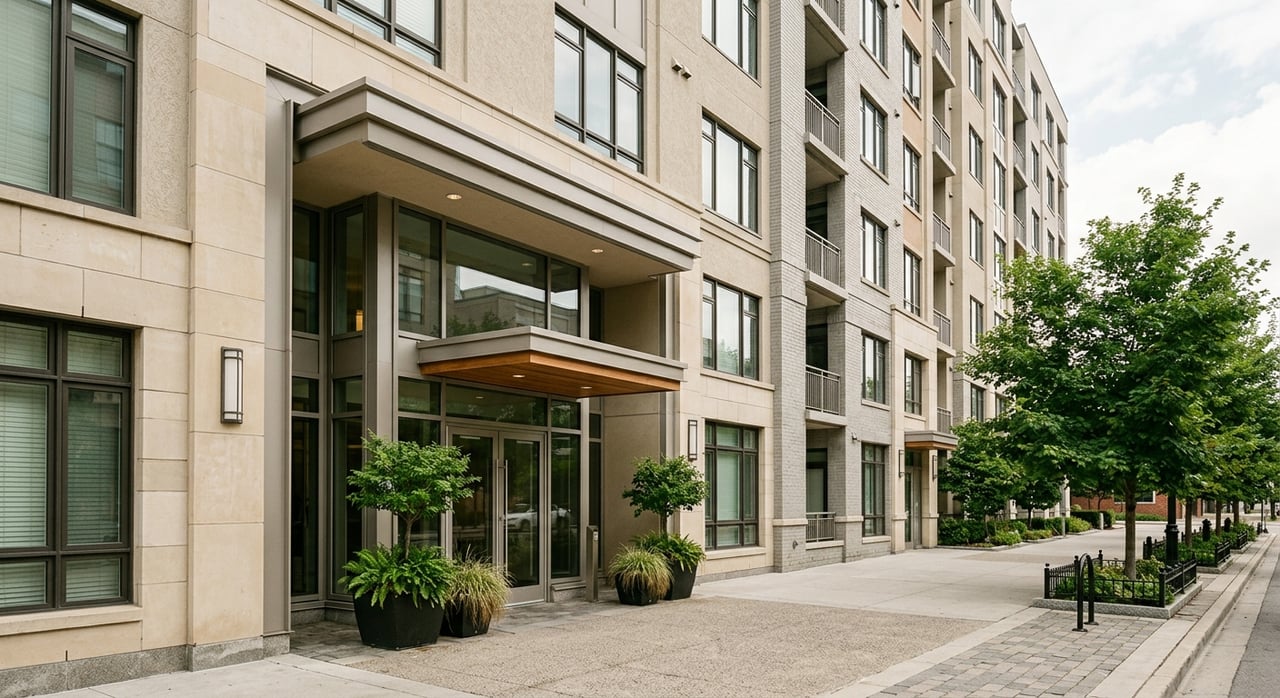
If you are torn between a downtown condo and a historic home in Hot Springs, you are asking the right question. These two property types can offer very different day-to-day experiences, costs, and resale considerations, even when they sit just blocks apart. By the end of this guide, you will have a clearer way to compare maintenance, parking, rules, and long-term fit so you can choose with confidence. Let’s dive in.
Downtown Hot Springs is not just a typical business district. It sits within an urban park setting, with easy access to Bathhouse Row, thermal water jug fountains, open-air springs, downtown shopping, trolley service, transit routes, and nearby park trails.
That setting can shape your decision more than you might expect. If you want to walk to restaurants, attractions, or trails, both condos and historic homes can put you close to the action, but the way you live there can feel very different.
In Arkansas, a condominium is created through a recorded master deed under the state’s Horizontal Property Act. In simple terms, you own your unit, while shared parts of the property are owned in common with other unit owners.
Those shared areas often include items like roofs, foundations, halls, lobbies, stairways, utility systems, and elevators. Some features, such as balconies, patios, exterior doors, or exterior windows, may be limited common elements assigned to a specific unit.
For many buyers, the appeal of a condo is straightforward. You get private living space with shared responsibility for many exterior and building-wide systems.
That setup can be attractive if you want less hands-on exterior upkeep. It can also be a good fit if you prefer a lock-and-leave lifestyle in a walkable downtown location.
The biggest question with a condo is often not the purchase price alone. It is the full monthly carrying cost.
Condo or HOA dues are usually separate from your mortgage payment, and they can range from a few hundred dollars a month to more than $1,000 a month. You may also still need your own insurance coverage for the interior of your unit, even if the association carries a master policy for common areas.
Another key issue is the financial health of the association. Reserve funding matters because reserves help cover future capital repairs and deferred maintenance, and special assessments can change the affordability picture in a hurry.
Parking deserves extra attention in downtown Hot Springs. The city currently enforces downtown parking from 8 a.m. to 6 p.m., Monday through Saturday, with priority, secondary, and open parking zones that each work differently.
That means assigned or deeded parking can carry real everyday value. A condo that relies mainly on public parking may feel very different from one that gives you a dedicated space.
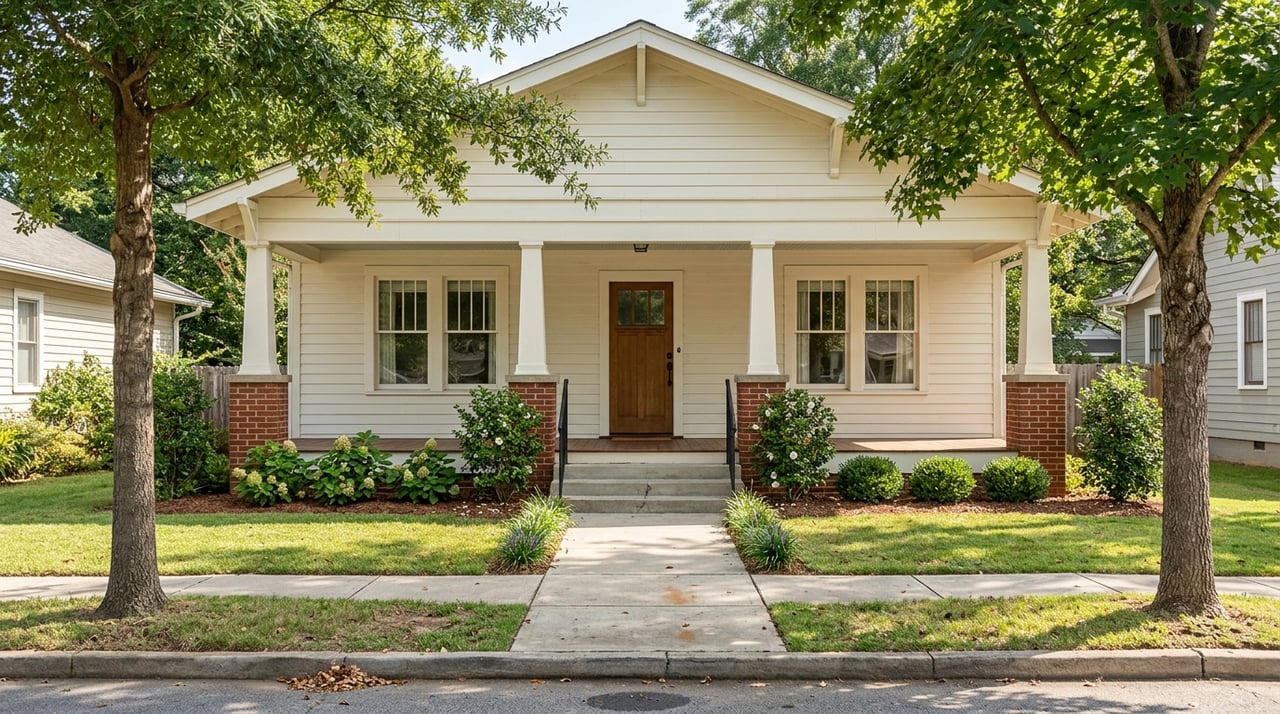
A historic single-family home in downtown Hot Springs offers a different kind of ownership. Instead of shared building systems and association oversight, you usually have more direct control over the property, along with more direct responsibility.
Hot Springs has two official local ordinance historic districts: Central Avenue and Pleasant Street. A downtown historic house may fall within one of those districts, which means preservation rules can affect certain exterior changes.
The Historic District Commission administers the downtown historic district under state law. The local design handbook explains the approval process for ordinary repair and maintenance, minor maintenance, major renovation, and new construction.
Some work does not require approval. For example, Category 1 ordinary repair and maintenance that does not change exterior appearance does not require Historic District Commission approval, while more substantial exterior changes do.
If you love the look and character of an older home, this can be a plus as much as a limitation. The rules are designed to help protect the historic streetscape, stabilize and improve property values, and support the identity that draws people downtown.
Historic homes are often more variable than condos when it comes to upkeep and insurance. Insurance pricing can depend on factors such as size, condition, roof, electrical systems, and year built.
That does not mean every historic home is expensive to insure. It does mean you should expect a more property-specific review, especially if the home has older systems or deferred maintenance.
If you value architectural character, private lot control, and more freedom over how you use your property, a historic single-family home may be the better match. You are not sharing a roof, hallway, or budget with an association.
At the same time, more responsibility falls on you. Exterior work, building systems, and long-term maintenance planning are typically your job.
When buyers compare these two options, the choice usually comes down to how you want to spend your time, money, and energy. Neither option is automatically better. The better choice is the one that fits your priorities.
Current market data suggests a more negotiable environment in Hot Springs than a peak seller’s market. Recent citywide figures show homes taking longer to sell on average and closing below list price on average, though different data sources use different methods.
For downtown specifically, the market appears thinner and more property-specific. Recent data showed a median listing price of $185,000 for Downtown Hot Springs, with 71 properties for sale, while Pleasant Street Historic District had 6 listings and Central Avenue Historic District had 1.
That matters because downtown resale is often less about broad averages and more about the details. Condition, parking, views, dues, reserve funding, and preservation status can all move value in a big way.
Before you choose a condo or historic home in downtown Hot Springs, focus on the issues most likely to affect your budget and resale potential.
If you are considering a condo, ask for the association’s financial information. You want to understand dues, reserve funding, insurance, and whether there is risk of future special assessments.
Do not assume all downtown parking works the same way. Verify whether the property includes assigned, deeded, private, or public parking access, and compare that with the city’s current parking structure.
If you are considering a single-family home, confirm whether it sits within the Central Avenue or Pleasant Street local ordinance historic districts. That status can affect what exterior work may need review.
Be honest about what you want from ownership. If you prefer shared oversight of major systems, a condo may feel easier. If you value independence and do not mind more responsibility, a historic home may be the better long-term fit.
If your goal is low exterior maintenance and a simpler downtown base, a condo may be the more practical fit. If your goal is character, autonomy, and the experience of owning a distinctive older home, a historic house may be worth the added responsibility.
In downtown Hot Springs, the decision is rarely just condo versus house. It is really about how you want to live, what costs you are comfortable managing, and how each property’s rules, parking, and upkeep affect your future.
If you want help weighing a specific condo against a historic home, Jeff Kennedy can help you compare the real-world pros, costs, and resale factors in downtown Hot Springs.
Real Estate

Market Insight
A Mid-Year Look at Where We Stand
When you work with Jeff Kennedy and his team, you benefit from professionals who understand your needs and will work their absolute hardest to ensure excellent results for you and your family. Give Jeff a call today and discover the difference he can make for you!