Investing Near Oaklawn: What Local Buyers Should Evaluate
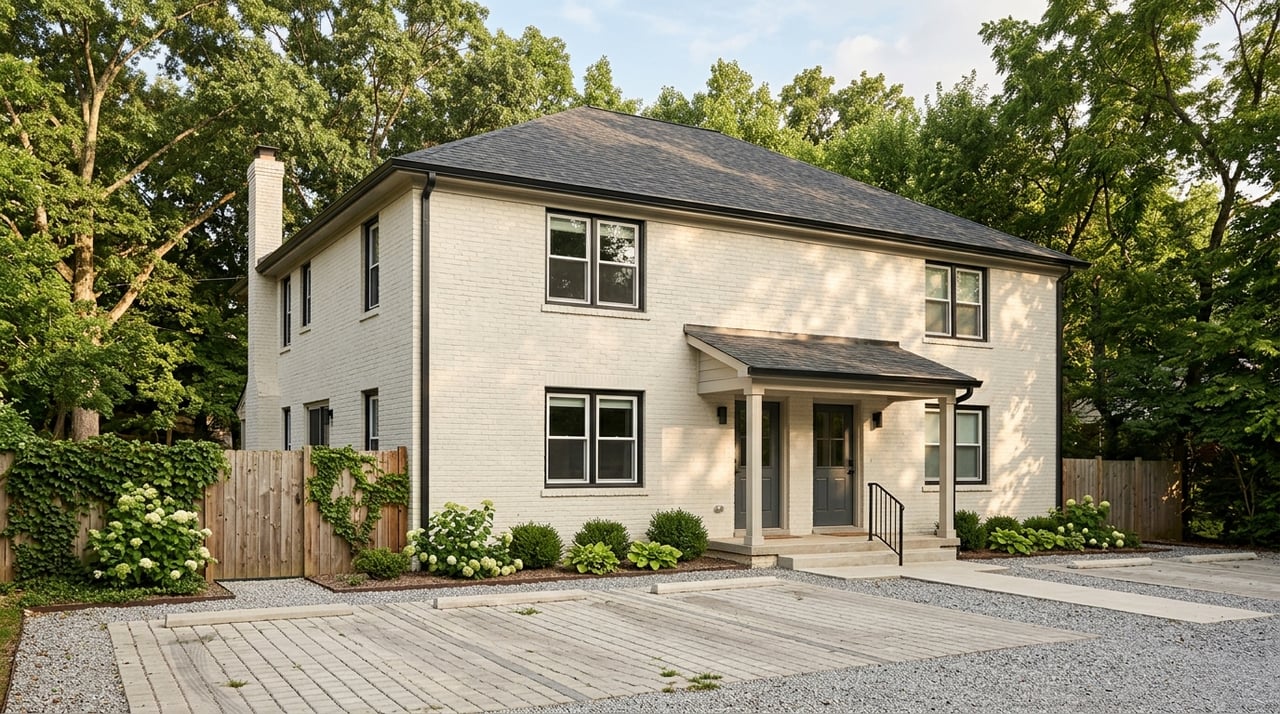
If you are looking at property near Oaklawn, it is easy to focus on the excitement and assume demand will take care of itself. In Hot Springs, Oaklawn is a major draw, but smart buyers know that a strong location is only one part of the decision. Before you buy, you need to understand how zoning, short-term rental rules, parking, taxes, and city limits can shape what a property can realistically do for you. Let’s dive in.
Oaklawn is more than a racetrack. Its 2025-2026 live racing season runs from December 12, 2025 through May 2, 2026, with more than 60 stakes races and major event days including Arkansas Derby Day on March 28, 2026.
That said, Oaklawn also operates as a year-round casino resort with hotel, spa, dining, event, and entertainment offerings. That broader mix matters because it helps support visitor activity beyond racing season alone.
The City of Hot Springs describes Oaklawn as the biggest driver of the local economy. The city also notes that the expansion added a hotel, event center, several restaurants, and about 400 permanent jobs.
For buyers, that creates a real reason to pay attention to nearby property. Hot Springs also hosts around 8 million visitors annually, and Hot Springs National Park drew 2.1 million visitors who spent $154 million locally in 2021, according to the city budget book.
A property near Oaklawn may benefit from location demand, but that does not mean every address is a strong investment. The city budget also warns that tourism-based revenue can be volatile and sensitive to economic shifts.
That is why experienced buyers look beyond the headline location. Instead of asking only, "Is it close to Oaklawn?" a better question is, "Does this specific parcel support my plan?"
Your plan might be a second home, a long-term rental, a short-term rental, or even a property with parking-related income potential. Near Oaklawn, those strategies can vary sharply from one parcel to the next.
One of the most important steps is verifying the exact property, not just the general area. Hot Springs Planning and Development says buyers can use the city GIS zoning map to review zoning, aerial photography, and other parcel data by address.
That matters because neighboring properties can fall under different zoning categories and use rules. A home on one block may support your intended use, while a nearby one may not.
Planning staff can also help confirm whether a property is inside city limits, along with legal description and property line questions. If you are evaluating an address near Oaklawn, this should be one of your first checkpoints.
Many buyers near Oaklawn naturally ask whether a home can work as a short-term rental. In Hot Springs, that answer depends on more than buyer interest.
According to the city’s current short-term rental page, residential-zone STR licenses are capped at 400. As of the July 1, 2025 update, new licenses in residential zones are not available, and there is no waitlist.
That is a major detail for anyone underwriting a property with STR income in mind. If a home is in a residential zone, you should not assume you can obtain a new STR license.
The city says some non-residential zones remain open for STR licensing, including C-TR, CN, CMU, CG, CBD, IL, IH, and IMU. The city also states that HPRs and condos recorded before January 18, 2022 are exempt from the cap.
This is why the same Oaklawn-area search can produce very different opportunities. A condo, a house in a residential district, and a property in a qualifying non-residential zone may all sit near each other but support very different use strategies.
The city’s housing strategy offers useful context for buyers weighing short-term rental potential. It found that two-bedroom units are the most common STR type in the greater Hot Springs area, and that the average STR has 2.4 bedrooms.
The same report found that about 60 percent of STRs are available full-time. That suggests an active market, not just occasional owner use.
It also notes that many seasonally vacant units are rented short-term when owners are not using them. For second-home buyers, this reinforces an important point: the real question is often not whether a property could attract guests, but whether its zoning, parking, and licensing status make that use realistic.
Parking is easy to overlook until it becomes a problem. Near Oaklawn, it can directly affect whether a property works for guests, tenants, or any plan involving event-driven demand.
Hot Springs says STR guest parking must comply with normal residential parking rules. The city also requires off-street parking for overnight occupants, and commercial functions are prohibited at STRs.
The zoning code adds another practical layer. Parking and loading facilities must be completed before a certificate of occupancy, and in several districts parking is not allowed in front of the front building line.
If you are evaluating a property for rental use, do not stop at bedroom count or location. Confirm how many off-street spaces exist, where they are located, and whether the layout actually complies with the rules.
Some buyers look at lots or homes near Oaklawn and wonder if seasonal parking income is possible during racing season. That can be worth exploring, but it is not something to treat casually.
The city’s Business Services office specifically handles seasonal parking permits during the live racing season at Oaklawn. That tells you this is a regulated seasonal use, not an informal side opportunity you should assume is allowed.
If a property seems attractive because of parking income potential, verify the zoning first. Then confirm whether a seasonal parking permit or another city approval would be required for that exact parcel.
A promising purchase price is only part of the picture. Before you buy near Oaklawn, make sure you understand the ongoing costs tied to ownership and any planned rental use.
Hot Springs says the city-limits sales tax rate is 9.5 percent, made up of 6.5 percent state, 1.5 percent city, and 1.5 percent county tax. The city also states that its Advertising and Promotion tax is 3 percent on prepared foods and lodging, and the state adds a 2 percent tax on lodging and tourist-attraction ticketed items.
For STR owners, the city’s fee structure is also specific. The annual STR fee and occupation tax is $50 per person per year based on maximum overnight occupancy, with a minimum of $200, due January 1.
The city also says STR owners must collect and remit applicable taxes on gross receipts, keep the license posted, and comply with occupancy and neighborhood rules. These are not small details, and they should be part of your budget from day one.
Another point that surprises some buyers is that Hot Springs does not levy a city property tax, according to the city budget book. That means you should focus on Garland County, school-district, and any improvement-district millages when reviewing expected property tax obligations.
Garland County says real and personal property taxes are due from March 1 through October 15. After October 15, a 10 percent penalty, daily interest, and an advertising fee can apply.
The county also says personal property must be paid before or at the same time as real estate taxes. For planning purposes, it is smart to know these deadlines early so you do not build your budget around the wrong assumptions.
Garland County notes that 2026 is a reappraisal year for all properties in the county. The county also says assessed value is generally 20 percent of value.
Real property is automatically assessed each year, but owners must notify the assessor if the property use changes. That is especially relevant if you are buying with plans to shift the property’s use over time.
The county also states that homestead protections apply to a principal residence. If you are buying a second home or investment property near Oaklawn, do not assume those protections will apply to you.
When you evaluate property near Oaklawn, the smartest move is to treat each address as its own case study. Broad market interest may be real, but your results will depend on the details.
A practical due diligence checklist includes:
This kind of review helps you avoid buying on assumptions. It also gives you a clearer way to compare one Oaklawn-area property against another.
Near Oaklawn, two homes with similar price points can have very different use potential. One may be a better fit as a second home, another may work better as a long-term rental, and another may only make sense if your goal is personal use with no STR plan.
That is where local, parcel-specific guidance becomes valuable. When you work with professionals who know Hot Springs and Garland County, you can move past broad hype and focus on what actually fits your goals.
If you are weighing a purchase near Oaklawn, the best next step is a clear review of the property’s zoning, use options, and holding costs before you commit. To talk through your options with a local advisor, connect with Jeff Kennedy.
When you work with Jeff Kennedy and his team, you benefit from professionals who understand your needs and will work their absolute hardest to ensure excellent results for you and your family. Give Jeff a call today and discover the difference he can make for you!