Buying In Side-Town Hot Springs: Value And Potential
Wondering where you can still find a central Hot Springs location without stepping into the city’s highest price tiers? Side-town stands out for buyers who want everyday convenience, older homes with character, and room to create value over time. If you are weighing affordability, renovation potential, and access to downtown amenities, this guide will help you understand why Side-town deserves a closer look. Let’s dive in.
Side-town branches off downtown Hot Springs, which puts you close to the city’s core rather than out on the edge of town. That matters if you want easier access to restaurants, civic services, visitor attractions, and the Hot Springs National Park trail network.
For many buyers, location efficiency is a major part of value. When you can reach daily destinations and well-known local amenities without a long drive, your home search can open up in a very practical way.
One of Side-town’s biggest draws is its likely position in the lower-to-mid tier of the Hot Springs market. Compared with higher-priced areas like Lake Hamilton and Rockwell, the in-town core comes in at a more approachable price point.
That fits buyers who want central access without paying lake-area premiums. It can also make Side-town worth considering if you are buying your first home, downsizing into town, or looking for a home with improvement potential.
At the city level, recent market data also suggests buyers may have room to negotiate carefully. Zillow reports an average home value of $244,769 and a median sale price of $234,017, while Realtor.com reports a median listing price of $348,000 and a median sold price of $285,000. Zillow also reports a median sale-to-list ratio of 0.966, with 71.5% of sales closing under list price.
Those sources use different methods, but together they point to an important pattern. Asking prices are often above recent closed prices, and many homes still sell below list, which can reward buyers who stay disciplined.
Downtown Hot Springs shows a median listing price of $185,000 on Realtor.com, which is well below the broader city median. Nearby ZIP code 71901 is about $228,250, with 416 active homes and 72 median days on market.
By comparison, 71913 appears notably higher, with figures around $294,750 on one Realtor page and $340,000 in the March 2026 market summary. That spread helps explain why many budget-conscious buyers start by looking at central, in-town areas first.
Here is the simple takeaway: if you want to stay connected to downtown and still keep a close eye on price, Side-town fits that search better than many higher-priced parts of the market. It is not a luxury-tier play. It is a location-and-value play.
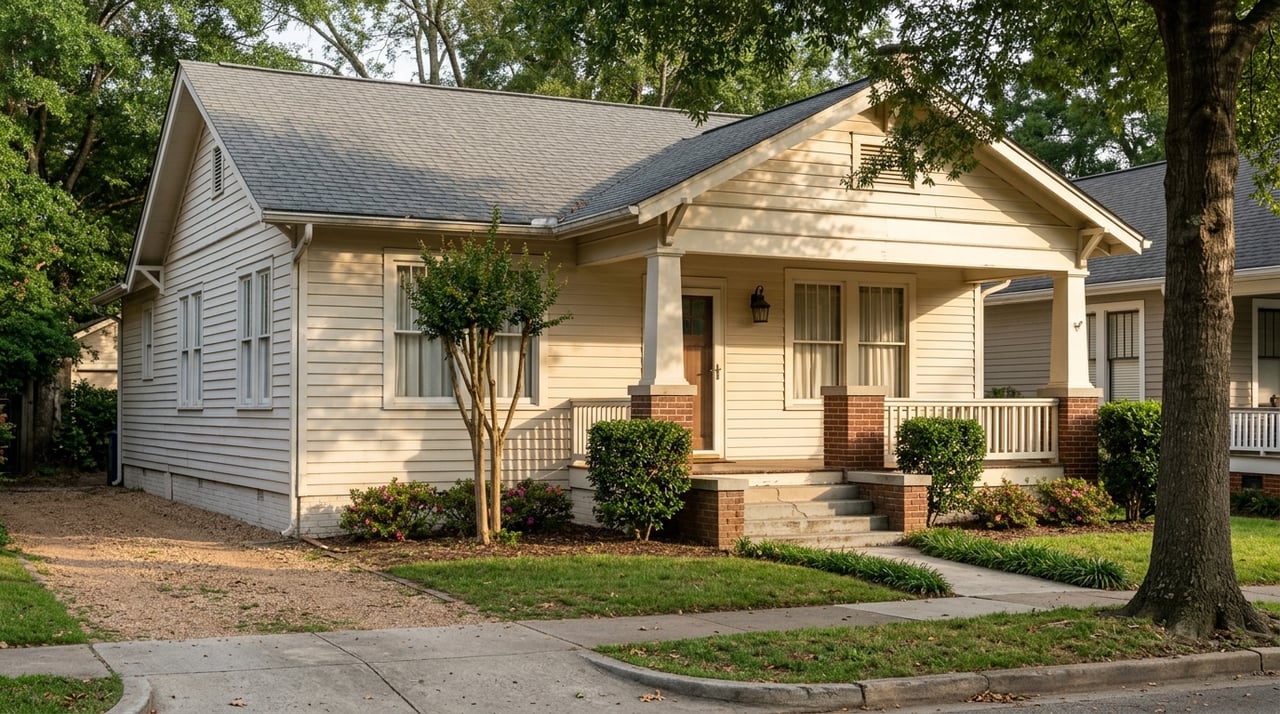
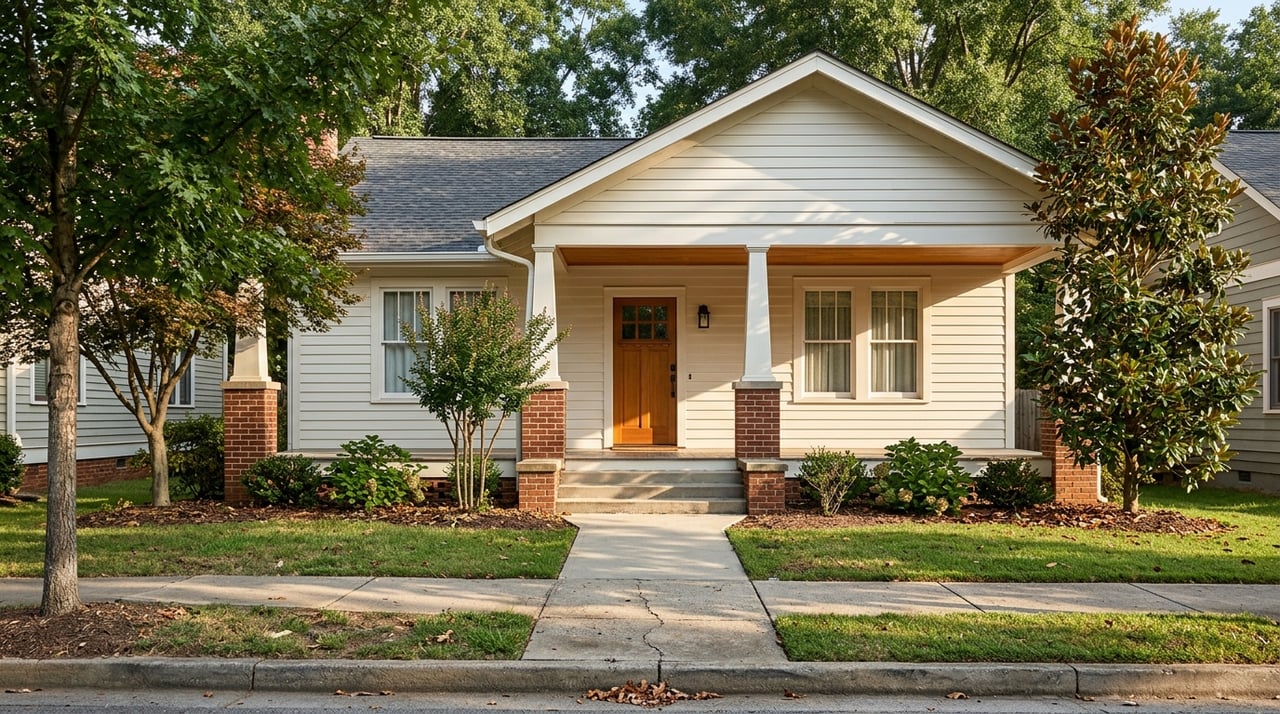
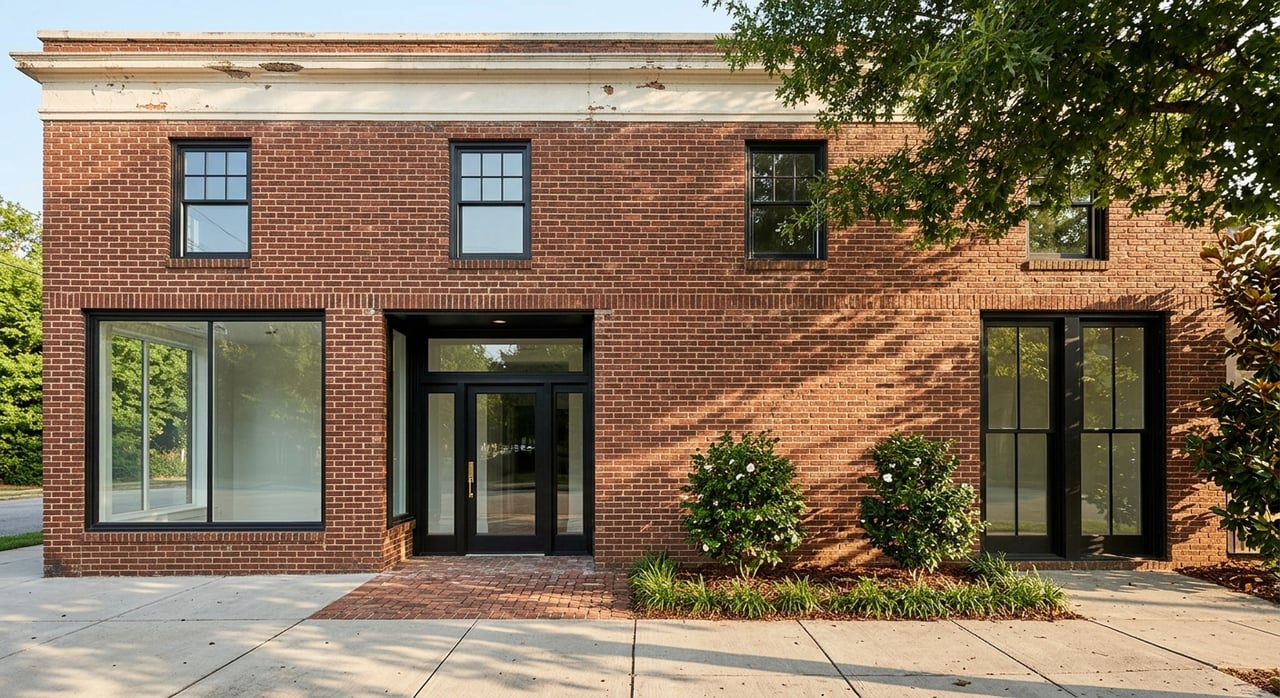
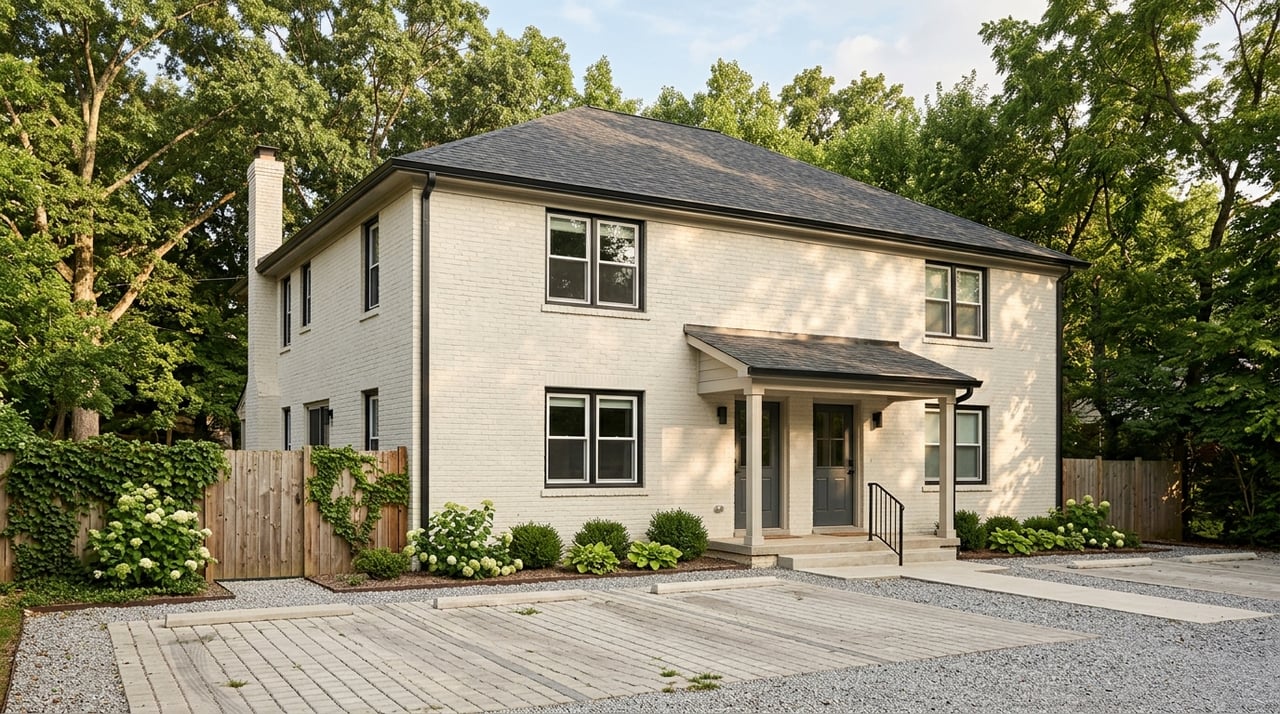
If you expect Side-town to look like a uniform subdivision, you may be surprised. Hot Springs’ preservation planning shows that older in-town neighborhoods include Craftsman bungalows, Period Revival homes, Queen Anne, Colonial Revival, Tudor Revival, Minimal Traditional houses, Ranch homes, and gable-front or L-shaped cottages.
That variety gives the area much of its personality. It also means you need to evaluate each property on its own merits, because age, layout, update history, and condition can vary a lot from one home to the next.
For buyers, this can be a real advantage. Instead of paying for sameness, you may find homes with architectural character, established lots, and features that are harder to replicate in newer construction.
Older housing stock often creates opportunity, especially when you are willing to look beyond cosmetic flaws. In the broader in-town market, recent examples show that updates to major systems like the roof, air conditioning, and insulation can make a meaningful difference in value.
A public example from the Little Chicago area involved a 1967 two-bedroom home that sold for $179,900 after those kinds of improvements. At the same time, lower-cost homes in 71901 still trade below the citywide median, showing how much condition, lot size, and update level matter.
That does not mean every older home is a bargain. It does mean Side-town can make sense if you want a property with solid bones and a realistic path to improvement.
Side-town’s long-term appeal is not only about today’s prices. Hot Springs is actively prioritizing in-town neighborhoods through its Forward Hot Springs action plan, which calls for neighborhood beautification, revitalization, gap funding for dilapidated buildings, accessory dwelling units, neighborhood groceries and restaurants, and a housing study focused on in-town areas.
For a buyer, that matters because public planning can shape how a neighborhood evolves over time. While no one can promise appreciation, reinvestment efforts can support stronger neighborhood momentum and improve the everyday experience of living in central Hot Springs.
This is one reason Side-town often appeals to people who think beyond the next year or two. You are not just buying a house. You are buying into an area the city is paying attention to.
Side-town’s strongest non-price advantage may be access. Downtown Hot Springs is known for the way people can move between the downtown district and Hot Springs National Park without needing to get back in the car for every stop.
Bathhouse Row includes eight bathhouse buildings and direct access to the park trail system. The broader downtown area also includes restaurants, museums, entertainment, and the Historic Baseball Trail.
That kind of central access can shape your routine in a positive way. Whether you enjoy walking around downtown, spending time on the trails, or staying close to civic and cultural destinations, Side-town offers a practical home base.
Transportation is another plus for this part of Hot Springs. Intracity Transit is city-owned, operates three fixed routes, and begins and ends at the downtown Transportation Plaza.
For regional travel, Memorial Field is about three miles southwest of downtown and offers commercial service to Dallas/Fort Worth and Memphis. Oaklawn Racing Casino Resort also sits in the same central corridor, adding another major dining and entertainment option nearby.
For buyers who value convenience, that mix can be hard to overlook. You get a central neighborhood with practical connections, not just a lower price point.
Side-town tends to make the most sense for buyers who value location and flexibility over polished uniformity. If you are comfortable comparing homes carefully and understanding how updates affect value, this area can offer smart options.
It is often a good fit for:
The common thread is simple. Side-town works best when you see possibility, not just present condition.
Because homes here can vary so much, a careful process matters. A good strategy is to focus on value, condition, and future costs all at once.
As you evaluate homes, pay close attention to:
In a buyer’s market, patience can help. Realtor.com characterizes Hot Springs as a buyer’s market, even though homes still sell in about two months on average, so pricing discipline and inspection planning still matter.
Neighborhoods like Side-town reward buyers who understand block-by-block differences, property condition, and how central Hot Springs fits into the larger Garland County market. Two homes with similar square footage can offer very different value depending on updates, location within the area, and long-term usability.
That is where local context matters. If you are weighing Side-town against downtown, 71901, or higher-priced areas around the lakes, it helps to work with someone who can explain the tradeoffs in plain language and help you stay focused on your goals.
If you are considering Side-town and want practical guidance on what to watch for, connect with Jeff Kennedy for local insight and a thoughtful, no-pressure approach to buying in Hot Springs.
When you work with Jeff Kennedy and his team, you benefit from professionals who understand your needs and will work their absolute hardest to ensure excellent results for you and your family. Give Jeff a call today and discover the difference he can make for you!