See the Appeal of Walkable Living in Downtown Hot Springs
If your ideal getaway includes breakfast, a spa stop, a trail walk, and dinner without spending half the day in the car, downtown Hot Springs makes a strong case for itself. This part of town blends historic character, easy walking, and access to Hot Springs National Park in a way that feels simple and repeatable. If you are wondering what that lifestyle actually looks like, here is a practical look at how a walkable weekend can unfold and what it may tell you about living nearby. Let’s dive in.
Downtown Hot Springs stands out because Hot Springs National Park sits right in the middle of town. The National Park Service describes it as an urban park with no entrance fee, which gives you easy access to outdoor space while staying close to shops, restaurants, and historic attractions.
That setup matters if you value convenience. The downtown guide notes that the core is very walkable, even if a car is still helpful for reaching other parts of the city. For a weekend lifestyle, that means you can do a lot on foot once you are in the downtown area.
A walkable weekend usually begins with an easy breakfast close to where you are staying. Downtown Hot Springs has long-established breakfast spots that fit that rhythm well and let you ease into the day instead of rushing from one stop to the next.
The Pancake Shop has served breakfast since 1940, making it one of the classic downtown starting points. Colonial Pancake & Waffle House also positions itself as a good stop before a day exploring Bathhouse Row and the national park, which tells you a lot about how naturally downtown dining connects to the area’s main attractions.
Bathhouse Row is the historic anchor of downtown Hot Springs. The row includes eight bathhouses, and the Fordyce Bathhouse now serves as the park visitor center and museum, making it an easy place to add context to your weekend before you head out for the rest of the day.
If you want the spa part of the experience, the National Park Service says Buckstaff and Quapaw are the bathhouses currently offering soaking. That makes them the most direct choices if your idea of a downtown weekend includes actual time in the thermal water, not just a walk past the buildings.
One of the best things about this area is how easily a history-focused stop can turn into outdoor time. Behind Bathhouse Row, the Grand Promenade offers a half-mile brick trail that gives you a simple way to keep the day moving without overplanning it.
The Grand Promenade also links to Oertel, Peak, and Tufa Terrace trails. That gives you options based on your pace and schedule. You can keep it light and scenic, or you can use downtown as your jumping-off point for a longer walk in the park.
If you want to spend more time outside, downtown still works as your base. Hot Springs National Park includes 26 miles of trails, so there is room for a short stroll, a more active hike, or something in between depending on how you want the day to feel.
Hot Springs Mountain Drive begins downtown at Fountain Street and climbs to overlooks and the Hot Springs Mountain Tower. West Mountain and North Mountain add more scenic-view options. For buyers who picture a weekend routine with easy access to views and trailheads, this part of town checks an important box.
A walkable weekend in downtown Hot Springs is not only about food and outdoor time. The arts scene also fits neatly into the same compact area, which helps create a day that feels varied without feeling scattered.
Gallery Walk has opened new exhibits in downtown galleries on the first Friday of every month since 1989. The city’s arts page also notes that galleries and public art are usually only a short walk away. If you enjoy a town where you can move from a trail to a gallery without much effort, downtown offers that mix.
Dining is another reason this weekend pattern works so well. The downtown guide describes a range of options from casual breakfast spots to fine dining, so you can stay in the same general area from morning through evening.
A few examples help show the variety. Superior Bathhouse Brewery is especially distinctive because it is the only brewery in a U.S. National Park and brews with thermal spring water. Other downtown options mentioned in the local tourism materials include Quapaw Baths & Spa and its café, Hotel Hale’s Eden restaurant, and Copper Penny Pub.
When you step back and look at the full picture, the biggest appeal is repeatability. You can imagine a weekend where breakfast, a bathhouse, a gallery, a trail, and dinner all happen with very little driving or planning. That is a different kind of lifestyle than one built around long commutes between activities.
For many buyers, that points to a proximity-first mindset. Instead of prioritizing a large yard or a more spread-out setting, you may care more about being close enough to downtown that this routine feels easy to enjoy again and again.
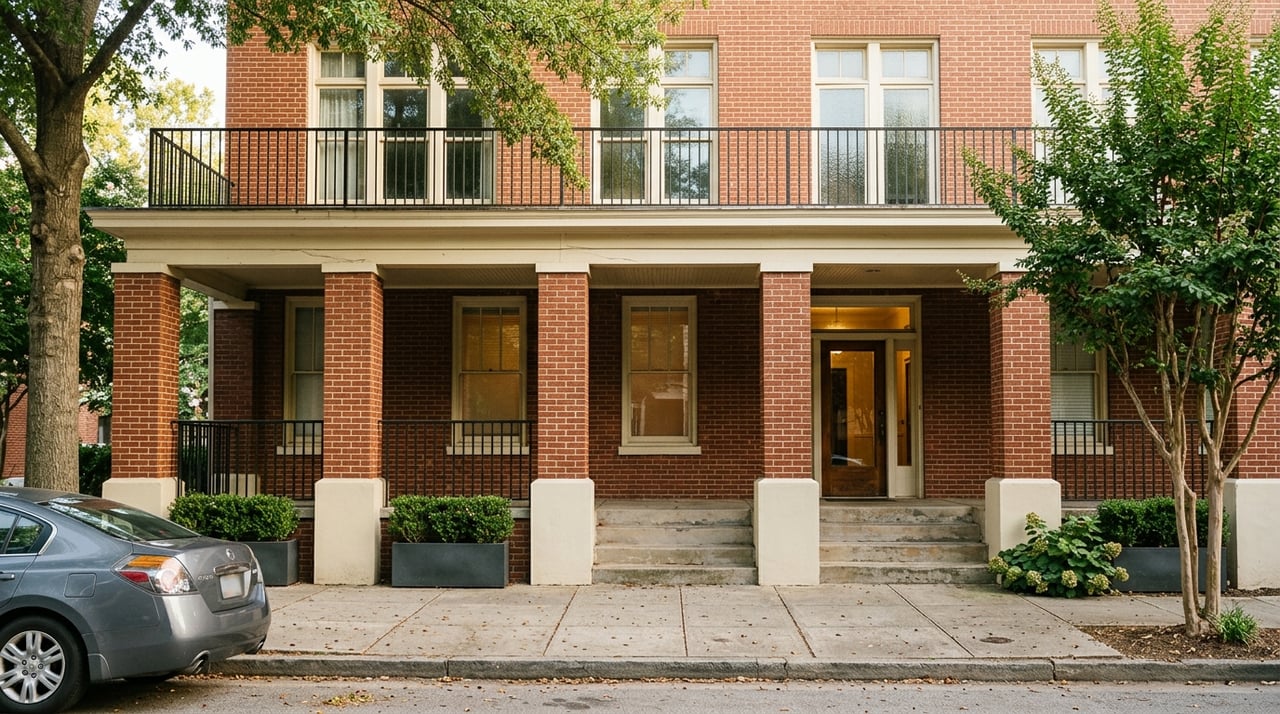
Downtown Hot Springs is not defined by a single modern condo district. The city’s preservation plan shows a more layered housing story shaped by historic districts, mixed-use buildings, and adaptive reuse.
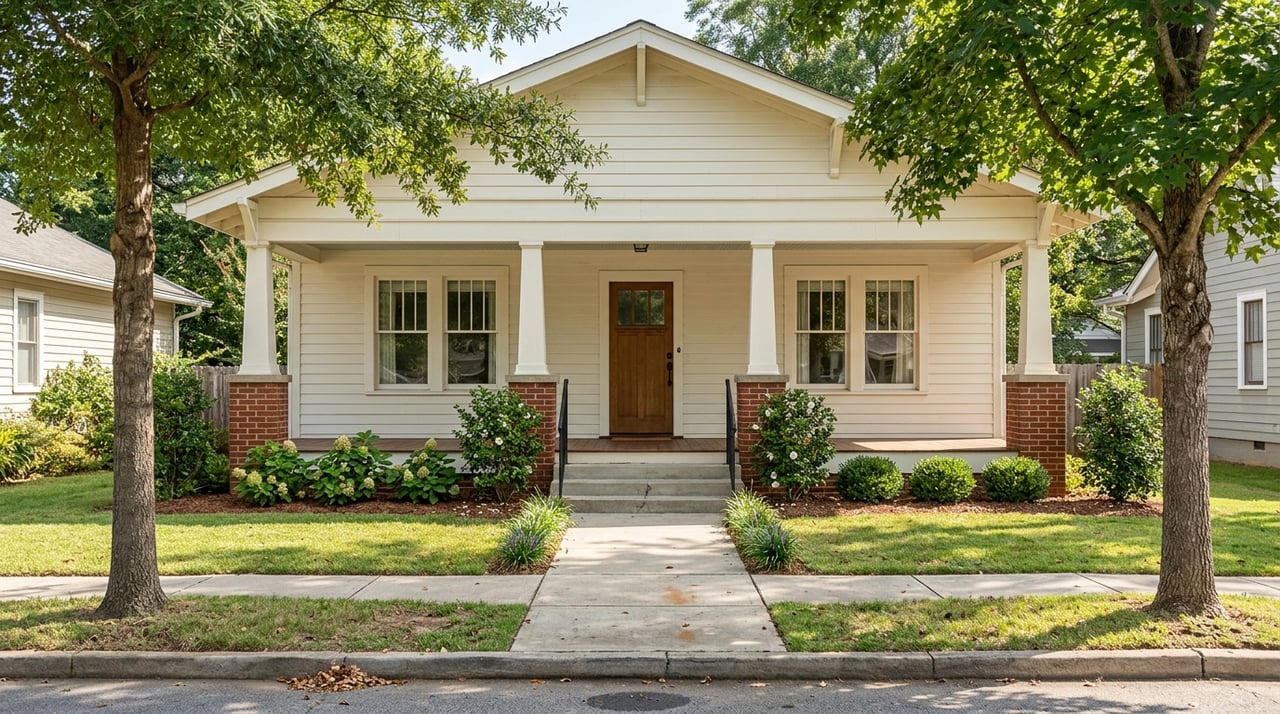
In the Central Avenue district, the building stock is dominated by commercial structures from the 1880s through the 1930s. Nearby, the Quapaw-Prospect district includes Gothic Revival and Queen Anne homes, Craftsman bungalows, Colonial and Tudor Revival houses, carriage houses, and apartment buildings.
The Ouachita Avenue district adds even more variety, including single-family homes, apartments, hotels, specialty stores, restaurants, warehouses, theaters, and churches. The preservation plan also notes that some former hotels now operate as apartments with ground-floor commercial space, which reflects the downtown pattern of older buildings taking on new life.
If you are drawn to downtown living, adaptive reuse is part of what gives the area its character. The city’s preservation plan references Hot Springs High School Lofts, and the Army-Navy General Hospital complex includes brick apartment buildings and duplexes.
You can also see the same idea in historic lodging examples like Capone’s Loft and the Ohio Club Loft in the heart of downtown. While those are lodging examples rather than a full housing inventory, they help illustrate the type of loft-style, in-town setting that supports a walkable lifestyle.
For some buyers, the most practical fit is a low-maintenance property close to the downtown core. The research points to loft conversions, historic apartments, and condo-style ownership as examples of housing that can align well with a lock-and-leave lifestyle.
Current listing examples cited in the research include a Prospect Avenue condo with an upstairs loft bedroom and a Central Avenue bank-building conversion marketed as luxury condos. These examples are better viewed as style references than a full market count, but they show how downtown ownership can pair historic character with simpler upkeep.
This lifestyle can make sense for more than one type of buyer. If you want an in-town second home, a downsized primary residence, or a place where entertainment and daily activities are close together, downtown Hot Springs may deserve a closer look.
It can also appeal to buyers who want Hot Springs character without taking on the maintenance of a larger property. On the other hand, if your priorities lean more toward a larger yard or a lake-oriented routine, you may still enjoy downtown as a social and cultural hub even if you choose to live elsewhere in Garland County.
Downtown Hot Springs has a housing mix that is more nuanced than many buyers expect. Historic homes, adaptive-reuse properties, loft-style spaces, and condo-style options can each offer a different ownership experience, and location within or near the core can shape how walkable your routine really feels.
That is where local insight becomes valuable. When you understand not just what is for sale, but how a property fits the way you want to spend your weekends, it becomes much easier to narrow the field and make a confident decision.
If you are thinking about buying or selling near downtown Hot Springs, working with a local team that understands both lifestyle fit and property positioning can make the process much smoother. To talk through downtown options, historic properties, or low-maintenance homes that support the way you want to live, connect with Jeff Kennedy.
Real Estate
Market Insight
A Mid-Year Look at Where We Stand
When you work with Jeff Kennedy and his team, you benefit from professionals who understand your needs and will work their absolute hardest to ensure excellent results for you and your family. Give Jeff a call today and discover the difference he can make for you!